Description
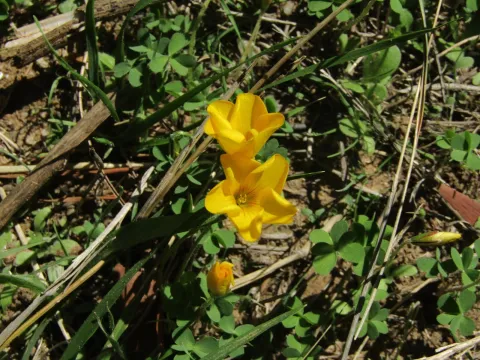
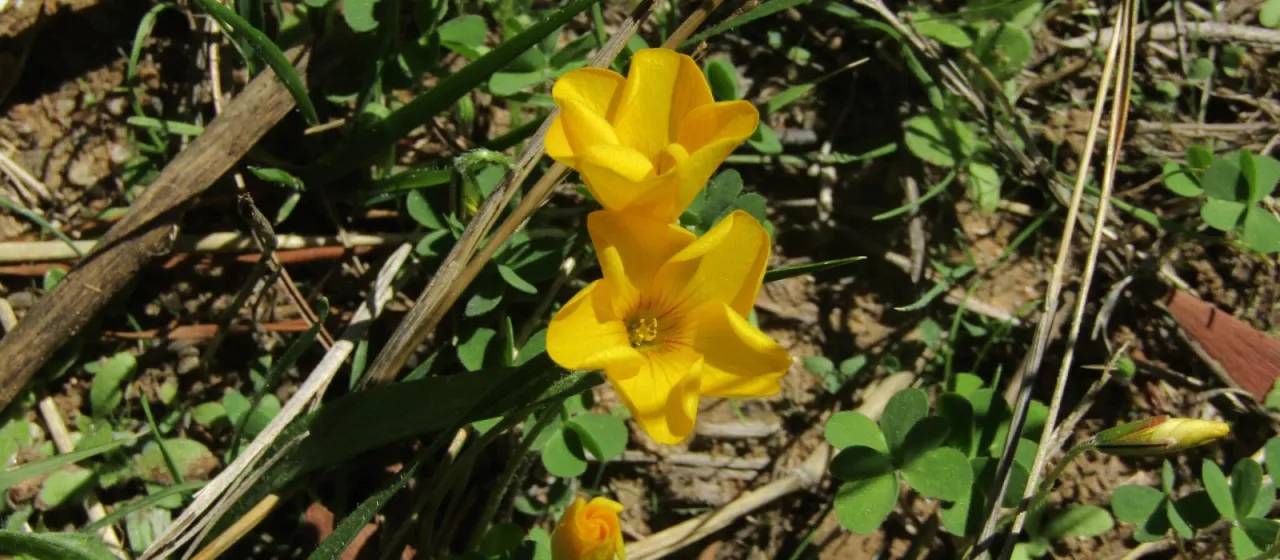
Oxalis lobata is a perennial bulbous plant belonging to the family Oxalidaceae. This species is highly regarded among plant enthusiasts for its distinct growth pattern, which includes two separate vegetative cycles per year, culminating in a striking display of bright yellow blooms during the autumn season.
The plant originates from the mountainous regions of Chile and Argentina. In its natural habitat, it thrives in well-drained, rocky environments. When brought into cultivation, it requires specific conditions that mirror its native climate, particularly the transition between active growth and a period of absolute dormancy.
Botanically, Oxalis lobata is characterized by its low-growing habit, rarely exceeding 10 cm in height. The foliage is delicate and trifoliate, creating a dense mat. The flowers, which appear during the second growth spurt in late summer or autumn, are funnel-shaped and known for their pleasant, subtle fragrance.
Cultivation requirements are strict. The soil must be exceptionally gritty and well-drained to prevent the bulbs from rotting. Success depends on maintaining a wet environment during the spring growth phase and keeping the medium completely dry throughout the summer rest period. Protection from excessive winter moisture is equally critical for plant survival.
Primarily, this plant serves an ornamental purpose in rock gardens, troughs, and specialized collections. It is not a commercial crop for mass production but is highly prized by hobbyists. The main health concerns include fungal rot caused by overwatering. Pests such as spider mites may affect the plants if grown in confined, poorly ventilated indoor conditions.
Photo gallery