Description
Oxalis luteola is a perennial bulbous plant species within the Oxalidaceae family. This specific plant is recognized for its unique vegetative cycle and its ability to thrive in specialized environments that mimic its harsh native habitat, making it a subject of interest for specialized horticulture.
The species originates from the arid regions of South Africa, specifically within the Cape Province. Its evolutionary history has endowed it with high resistance to drought and poor soil conditions, allowing it to survive periods of intense heat by entering a dormancy phase, which is vital for the survival of its bulbs.
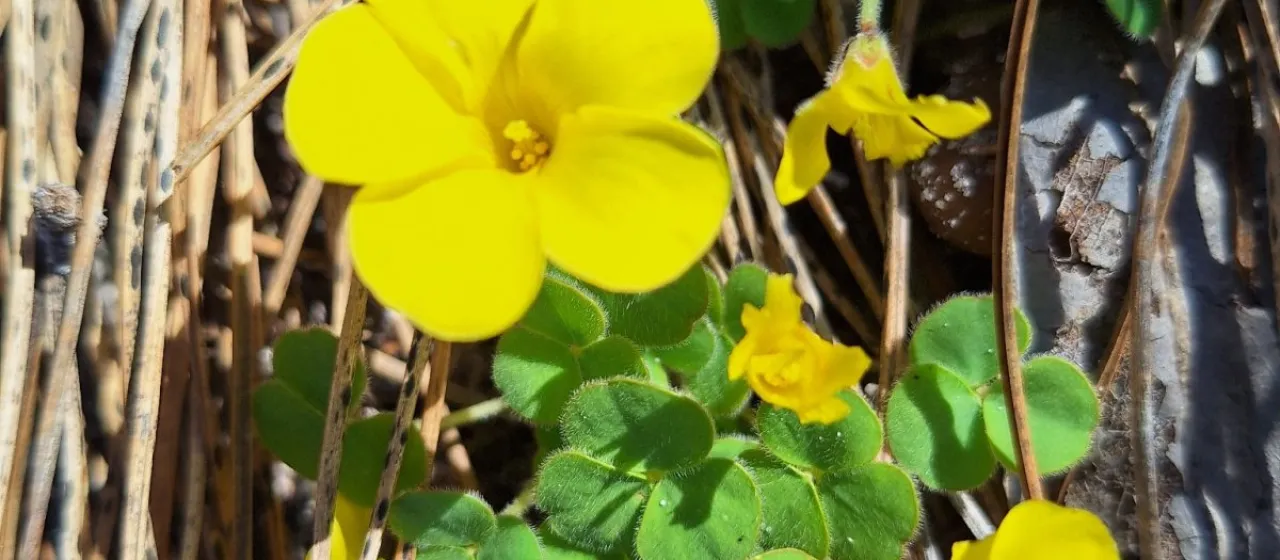
Botanically, Oxalis luteola is defined by its low-growing structure, trifoliate leaves, and bright yellow funnel-shaped flowers. The plant manages its metabolic resources through its small, subterranean bulbs, which store nutrients and water, enabling rapid growth whenever environmental conditions become favorable for flowering.
Agricultural and horticultural cultivation requires a precise approach to substrate management. The soil must be highly porous and sandy, ensuring excellent drainage, as the species is highly susceptible to bulb rot in waterlogged conditions. It thrives best in locations with high light intensity and requires a dry period to complete its life cycle effectively.
The primary use of this species is ornamental, often cultivated in rock gardens, conservatories, or as a pot plant by collectors. Maintenance involves managing common threats such as fungal pathogens that target the root system in damp soil, and controlling pests like aphids or spider mites, which can proliferate if humidity and airflow are not properly managed.
Photo gallery