Description
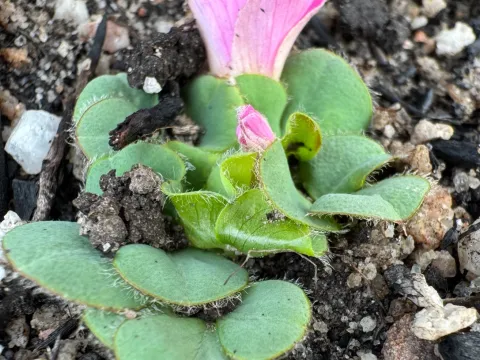
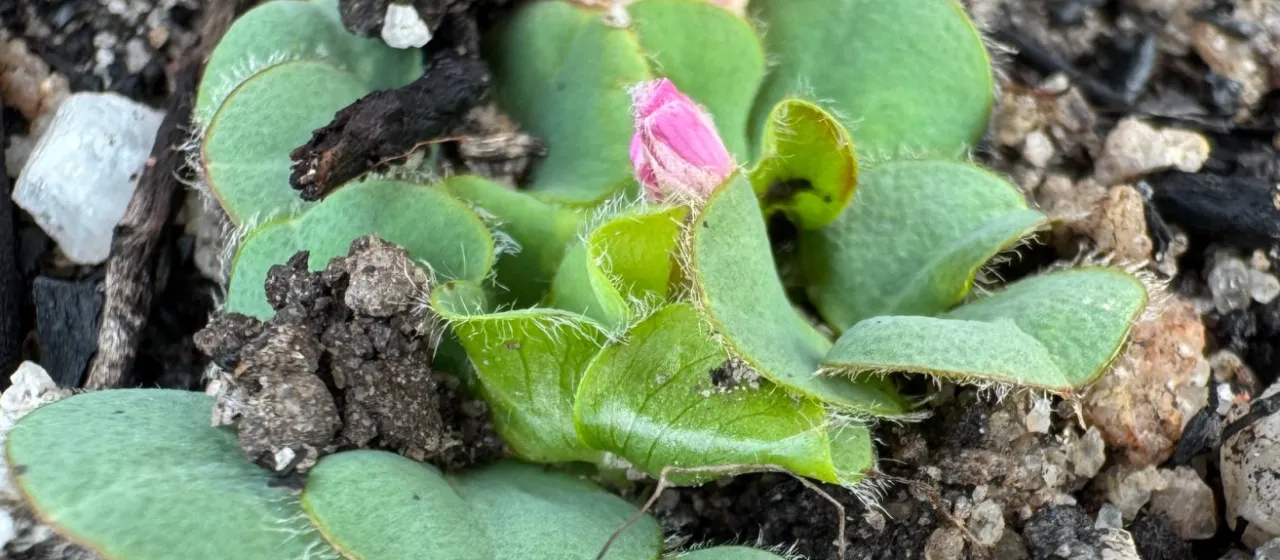
Purple woodsorrel (Oxalis purpurea) is a perennial bulbous herbaceous plant belonging to the Oxalidaceae family. It is highly valued in horticulture for its ornamental foliage, which often displays deep purple or bronze tones, and its large, vibrant flowers that bloom in clusters close to the ground.
Native to the Cape region of South Africa, this plant has evolved to thrive in environments with distinct wet and dry seasons. This origin defines its physiological needs, as it enters a dormancy phase during the hottest and driest periods of the year. In regions with colder climates, it is typically cultivated in greenhouses or as an indoor houseplant.
Botanically, the plant is characterized by a rosette of trifoliate leaves and relatively large, funnel-shaped flowers. The bulbs are small and delicate, serving as the main storage organs. During the growing season, it maintains a compact habit, making it an excellent candidate for borders, rock gardens, and container arrangements.
The agronomic requirements for Oxalis purpurea include well-draining, slightly acidic soil and bright, indirect light. Overwatering is the most common cause of failure, as the bulbs are highly susceptible to fungal rot in saturated conditions. Providing a dry resting period is essential for the plant to successfully complete its life cycle and bloom again in the following season.
In terms of usage, it is strictly an ornamental crop used for aesthetic purposes. The plant is generally resilient but can be affected by pests such as aphids and spider mites, particularly when kept in poorly ventilated indoor conditions. Control strategies emphasize integrated pest management, including regular inspection and the use of appropriate chemical or biological controls when necessary.
Photo gallery