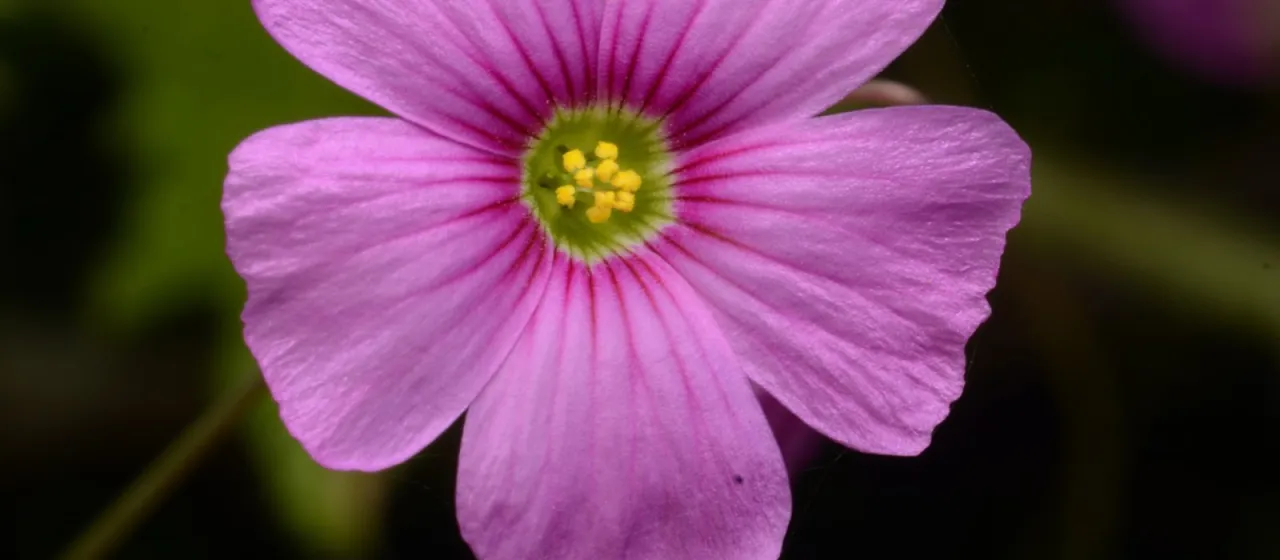
Description
Pink wood sorrel (lat. Oxalis rosea) is a perennial herbaceous plant belonging to the Oxalidaceae family. In agricultural and horticultural practices, it is valued primarily as an ornamental species used for greenhouse production, indoor decoration, and as an attractive groundcover in controlled garden environments.
The plant originates from South America, specifically from regions in Chile. In terms of cultivation range, Oxalis rosea is now grown globally in specialized nurseries and private greenhouses. It thrives in temperate climates where environmental conditions can be regulated, particularly regarding light exposure and thermal stability.
Botanically, this species is characterized by trifoliate leaves that exhibit nyctinasty—a movement triggered by light levels. The flowers are notable for their delicate rose-pink hue, typically appearing in clusters. The root system is relatively delicate, consisting of small rhizomes that require specific soil conditions to support healthy growth and propagation.
The agronomic requirements for Oxalis rosea include well-draining, nutrient-rich soil with a slightly acidic to neutral pH. It performs best in bright, indirect light, as direct midday sun can scorch the foliage. Regular irrigation is necessary during the active growth phase, followed by a distinct period of dormancy where water frequency should be significantly reduced.
In terms of plant protection, while the species is relatively robust, cultivators must be vigilant against common greenhouse pests and diseases. Management strategies should focus on preventing the following issues:
- Spider mites, which thrive in low-humidity environments.
- Aphids, often found on tender stems and emerging flower buds.
- Root rot, caused primarily by poor soil drainage and waterlogging.
Photo gallery