Description
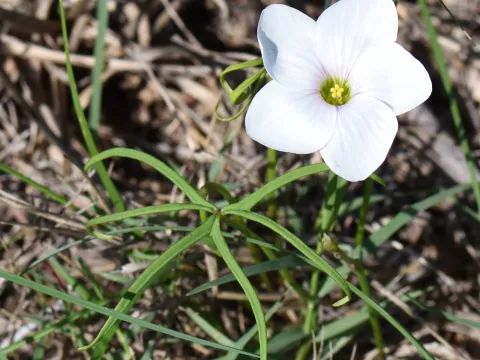
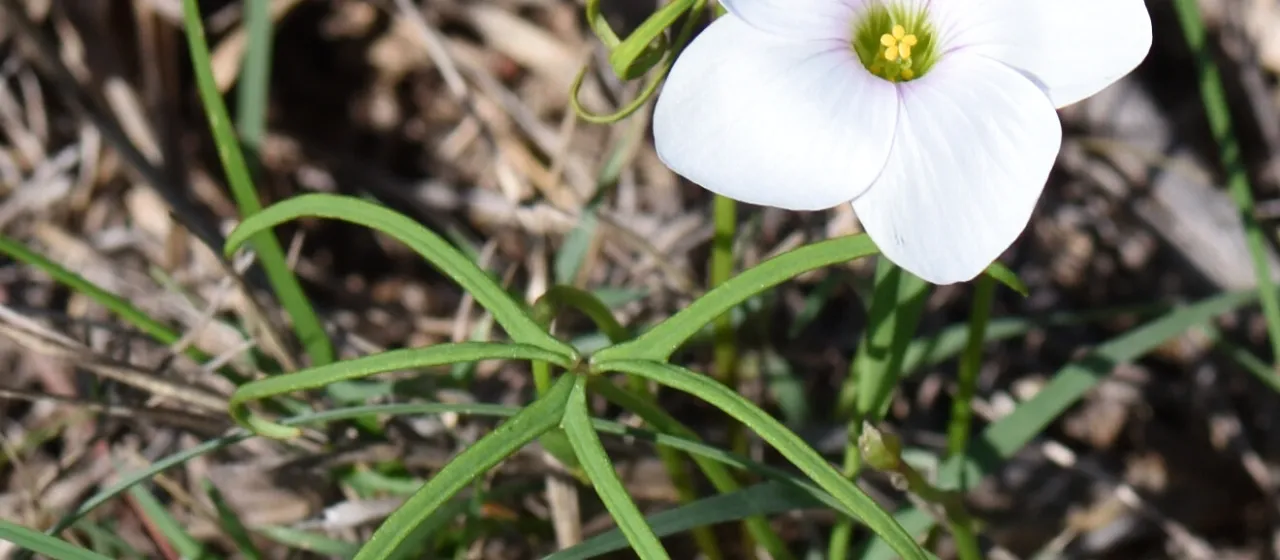
Smith's woodsorrel (Oxalis smithiana) is a herbaceous perennial plant belonging to the Oxalidaceae family. This species is highly valued in niche horticultural sectors due to its distinct morphology and specific ecological requirements, distinguishing it from more common members of the genus.
The plant originates from the southern regions of Africa, adapted to environments characterized by distinct wet and dry seasons. This natural evolutionary background necessitates strict adherence to cycle-based management in cultivation to ensure the plant's health and successful flower production.
Botanically, it is classified as a geophyte, developing underground storage organs that allow it to survive periods of drought in its native habitat. Its foliage is trifoliate, and the blooms are notably aesthetic, making it an excellent candidate for specialized horticultural production and decorative use in botanical gardens.
The agronomy of Oxalis smithiana centers on well-draining, nutrient-rich soils. The plant requires a delicate balance of moisture; overwatering is the most common cause of failure in cultivation. It thrives in well-ventilated areas with moderate light levels, avoiding the intensity of direct mid-day sun in greenhouse conditions.
- Provision of excellent drainage systems.
- Implementation of a distinct dormant period.
- Monitoring of pH levels in the growing medium.
- Strategic application of organic fertilizers.
Economically, this crop is utilized primarily within the specialty plant industry and professional botanical displays. Disease management is critical, as the plant is susceptible to fungal rots triggered by poor aeration. Common pests include aphids and spider mites, which require vigilant observation and integrated pest management strategies to maintain plant vigor.
Photo gallery