Description
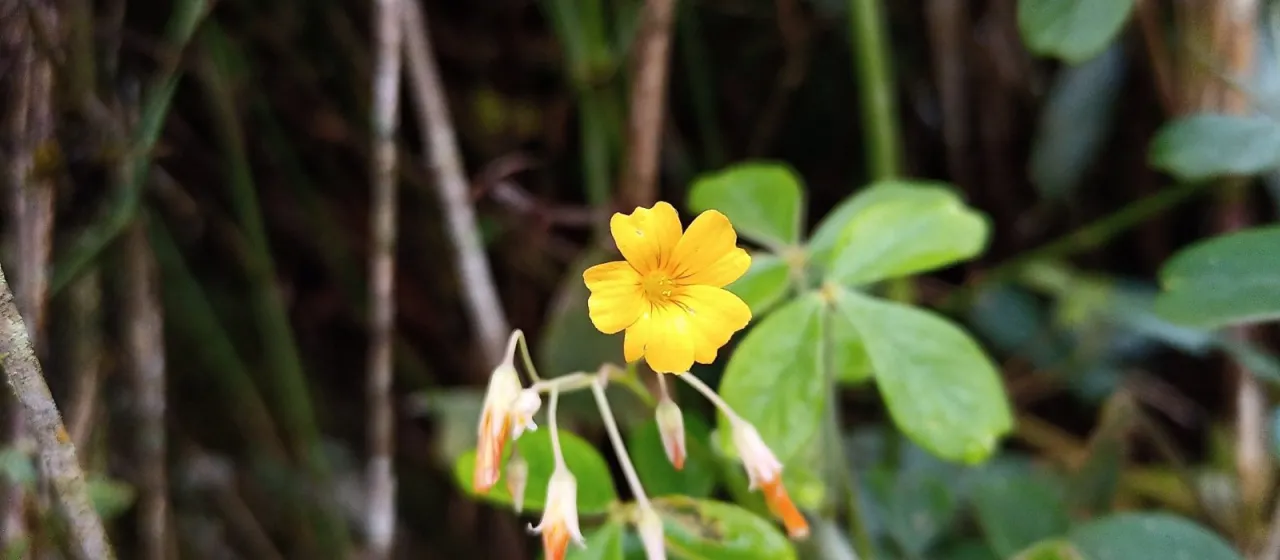
Spiral wood sorrel (Oxalis spiralis) is a perennial herbaceous plant belonging to the Oxalidaceae family. Unlike many other species of the genus, which are primarily stoloniferous or ground-covering, this plant is characterized by its upright, branching stems, often creating an elegant, shrub-like appearance. This structural distinction makes it a highly prized specimen for indoor and greenhouse cultivation.
The plant originates from the tropical and subtropical regions of Central and South America. In its native habitat, Oxalis spiralis thrives in forested areas where it benefits from high humidity and filtered light. Over time, it has gained popularity worldwide as an ornamental houseplant, valued for its distinctive architectural form and delicate, attractive foliage that adds aesthetic value to indoor spaces.
Botanically, the species is defined by its alternate leaves composed of three heart-shaped leaflets, which often display unique color variations, ranging from deep green to reddish-purple. The stems are slender and exhibit a spiral-like growth pattern, which is reflected in its scientific name. The flowers are typically tubular, expanding into a five-petaled bloom that is sensitive to light and temperature, closing during the night or periods of overcast weather.
Cultivation requirements involve maintaining a stable environment with temperatures between 18°C and 24°C. The plant requires well-draining, nutrient-rich soil that mimics its natural forest floor environment. Proper irrigation is critical; while the plant enjoys consistent moisture, it is highly susceptible to root rot if the growing medium remains waterlogged. During the growing season, a balanced fertilizer applied sparingly encourages steady growth and frequent flowering.
Primary agricultural and horticultural uses include:
- Interior design and ornamental home decoration.
- Container gardening for porches, balconies, and conservatories.
- Botanical study and preservation of diverse plant species.
Common pests include spider mites and mealybugs, which are particularly prevalent in dry indoor environments with poor air circulation. Overwatering or poor drainage often leads to fungal root diseases, causing the stems to wilt and collapse. Effective management involves regular monitoring, ensuring proper airflow, maintaining optimal humidity levels, and utilizing appropriate acaricides or systemic pesticides when necessary to keep the plant healthy.
Photo gallery