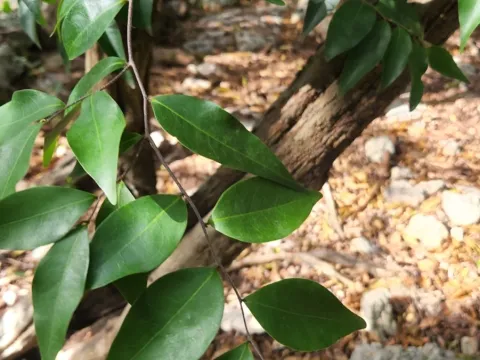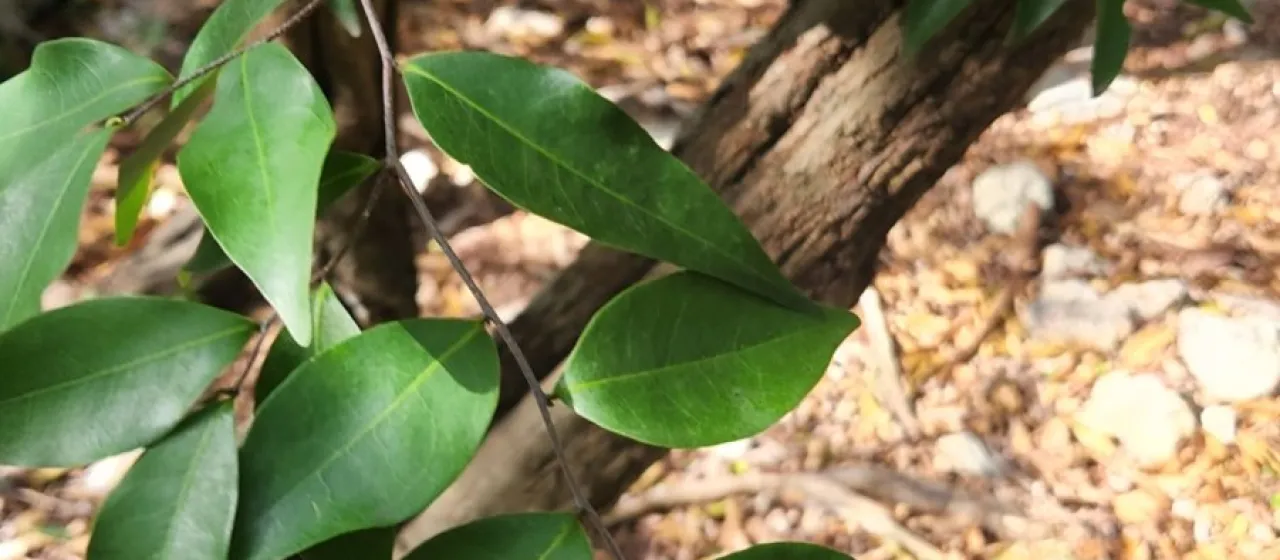
Description
Oxandra lanceolata, commonly known as lancewood or karacol, is an evergreen tree species belonging to the Annonaceae family. It is highly valued for its dense, strong, and flexible wood, which has been utilized for centuries in various industrial applications. As a tropical botanical entity, it occupies a significant niche in the ecosystems of the Caribbean and parts of the Americas.
The native range of this species is primarily concentrated in the Caribbean Basin, specifically Cuba, Jamaica, and various islands within the West Indies, extending into parts of Central and South America. The tree thrives in moist tropical forests, where it requires specific environmental conditions to reach maturity. Its distribution is closely linked to stable, warm temperatures and consistent moisture levels found in these regions.
Botanically, Oxandra lanceolata is characterized by its slender trunk and characteristic lance-shaped leaves, from which its scientific name is derived. The bark is typically smooth and gray, while the heartwood is light-colored and exceptionally hard. The tree produces small flowers and fruits that are essential for local wildlife, maintaining the ecological balance in its natural habitat through seed dispersal.
Regarding cultivation requirements, the tree prefers fertile, well-drained soils rich in organic matter. While it is not traditionally cultivated in high-intensity agriculture due to its slow growth rate, sustainable forest management is the primary method of utilizing the species. Successful growth depends on the availability of appropriate sunlight and rainfall patterns, mirroring the conditions of a healthy tropical forest floor.
The primary economic value of Oxandra lanceolata lies in its superior wood quality. Due to its unique combination of hardness, toughness, and elasticity, it is a preferred material for several high-stress applications, including:
- Professional billiard cues and sports equipment handles;
- Tool handles requiring high impact resistance;
- Musical instrument components;
- Specialized furniture and precision turnery items.
Common diseases and pests that affect this species include wood-boring beetles and various fungal pathogens that thrive in humid tropical environments. These pests can significantly degrade the timber quality, making early detection and forest health management essential for timber producers. Sustainable forestry practices, such as selective harvesting and maintenance of tree diversity, are crucial to minimizing the impact of these natural threats.
Photo gallery