Description
Oxyanthus latifolius is an evergreen shrub or small tree belonging to the Rubiaceae family. Recognized for its elegant foliage and fragrant, tube-shaped flowers, this plant is a notable representative of the tropical flora that thrives in humid forest understories.
The species is native to the tropical regions of Central and West Africa, where it naturally occurs in dense, moist forest ecosystems. Its cultivation is primarily confined to tropical and subtropical zones, as it requires stable high temperatures and consistent humidity levels to survive and grow effectively.
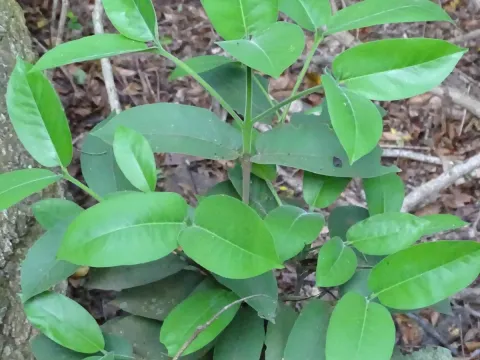
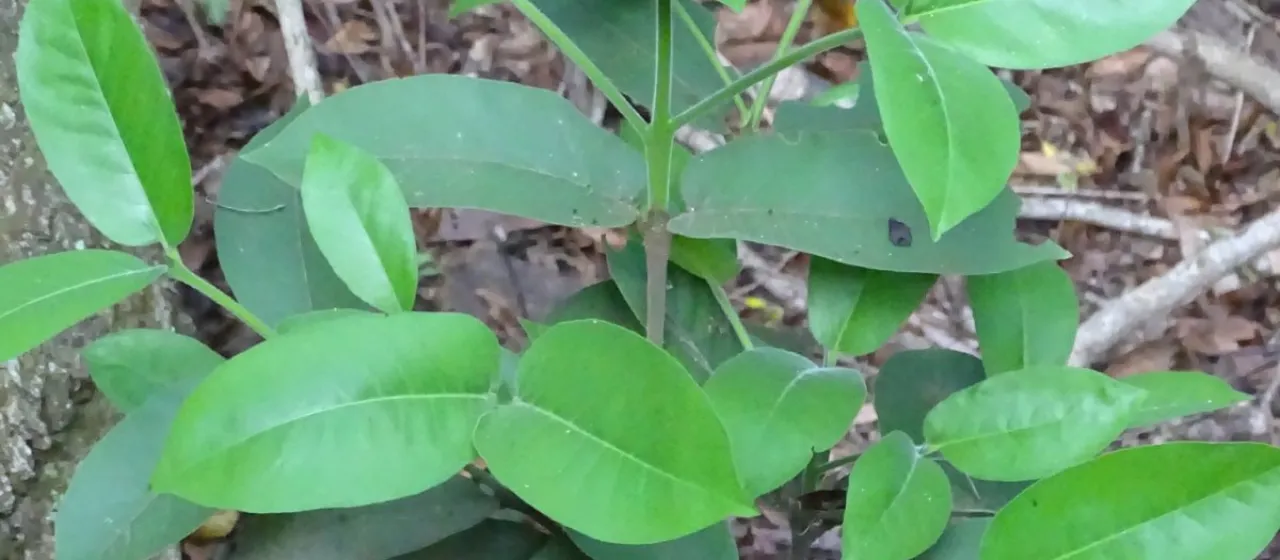
Botanically, Oxyanthus latifolius is characterized by large, leathery, elliptical leaves with prominent venation. The inflorescences consist of long, tubular white or cream flowers that release a potent fragrance, particularly during the evening. The fruit is a small, berry-like drupe that matures after successful pollination.
To ensure optimal growth, the plant requires fertile, well-draining soil rich in organic matter, ideally with a slightly acidic pH. In cultivation, it prefers partial shade, as direct, harsh sunlight can damage the leaves. Consistent moisture management is vital, as the root system is sensitive to both extreme drought and waterlogging.
- Watering: Consistent, keeping the soil moist but not soggy.
- Light: Partial shade or filtered bright light.
- Soil: Humus-rich potting mix with excellent drainage.
- Maintenance: Pruning for shape and removing dead growth to encourage blooms.
The primary agricultural and horticultural use of Oxyanthus latifolius is as an ornamental plant in tropical gardens and botanical collections. Its aesthetic value and nighttime scent make it a popular choice for landscape design in appropriate climates. Some local communities also utilize parts of the plant in traditional botanical practices.
Common issues include root rot caused by poor soil drainage and the presence of pests such as spider mites and scale insects. Maintaining good air circulation is essential to prevent fungal infections like powdery mildew. Integrated pest management, focusing on biological controls and proper irrigation, is recommended for maintaining plant health.
Photo gallery