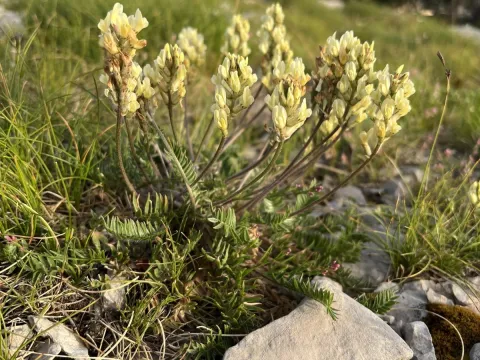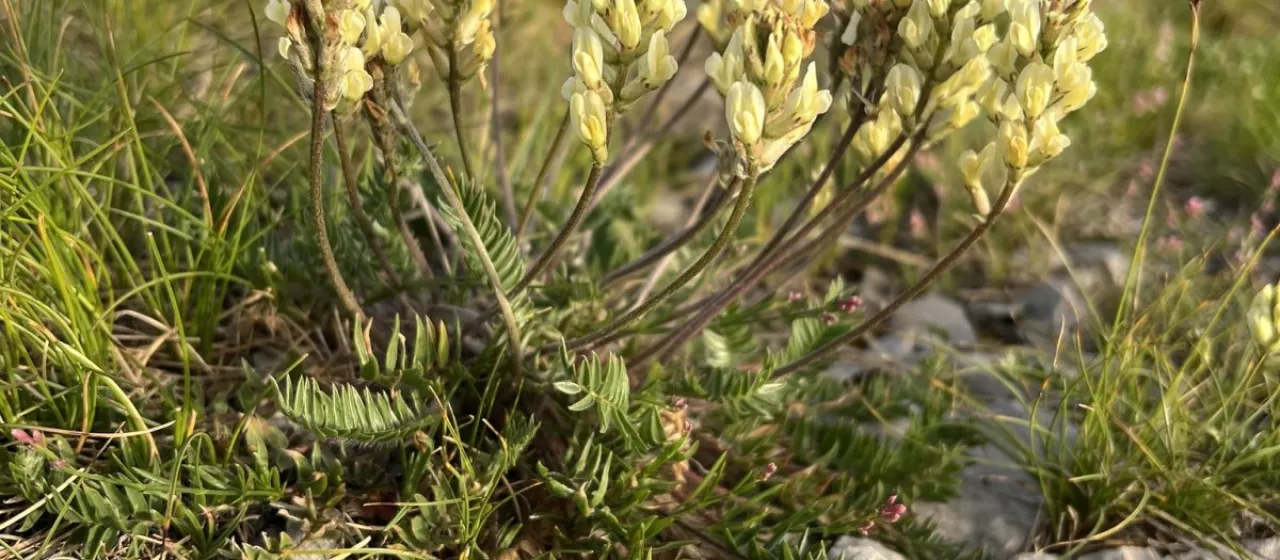
Description
The Dinaric locoweed (Oxytropis dinarica) is a herbaceous perennial plant belonging to the diverse legume family (Fabaceae). Within the context of plant science, it is recognized as a specialized alpine species that has adapted to thrive in the harsh, nutrient-poor, and high-altitude environments of the Balkan Peninsula.
Its natural origin is linked to the Dinaric Alps, where the climate is characterized by extreme temperature fluctuations, high solar radiation, and limited soil depth. The species distribution is limited to rocky outcrops and alpine meadows, reflecting its evolutionary strategy of resilience in environments that are unsuitable for standard agricultural field crops.
Botanically, this species is defined by its compact, cushion-like growth habit and dense hair covering on the leaves, which provides essential protection against desiccation and intense UV exposure. The flowers are typically arranged in dense racemes, presenting a vivid color palette ranging from soft pinks to deep violet, which is characteristic of the genus Oxytropis.
The agronomic requirements for this species are strict, particularly regarding soil aeration and drainage. It performs best in rocky, limestone-rich substrates where water cannot accumulate. Given its sensitive root system, the plant requires excellent drainage to prevent root rot, making it a specialized choice for rock garden cultivation rather than traditional crop production.
While the Dinaric locoweed is not currently utilized as a mainstream fodder crop, it serves as a genetic resource for breeding programs aiming to develop drought-tolerant and stress-resistant legumes. Common phytosanitary threats include fungal diseases caused by excessive humidity during dormant periods and occasional damage by alpine-dwelling insect larvae that target the flowering spikes.
Photo gallery