Description
Swiss locoweed (Oxytropis helvetica) is a perennial herbaceous plant classified under the Fabaceae family. As a specialized alpine species, it has evolved to thrive in rigorous high-altitude environments, exhibiting a compact growth habit that is highly efficient for surviving in harsh, mountainous terrain.
The plant originates from the mountainous regions of Central Europe. Its native habitat includes rocky scree slopes and alpine meadows, where it has developed robust mechanisms to tolerate poor soil nutrient availability, intense ultraviolet radiation, and extreme fluctuations in local temperature.
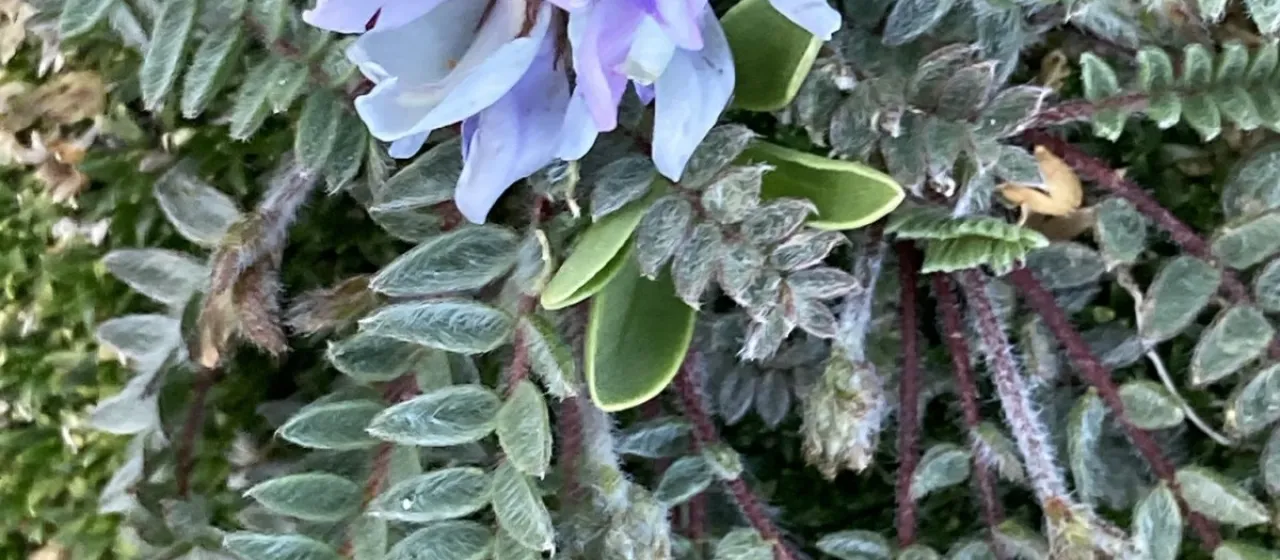
Botanically, this species features a deep, tough taproot system designed to stabilize the plant against erosion. Its leaves are pinnate and typically covered in fine trichomes, which serve to reduce water loss. The inflorescence consists of dense racemes with characteristic pea-like flowers, generally ranging in shades of purple or violet.
In terms of cultivation requirements, the species demands highly specific conditions: excellent soil drainage is paramount, as waterlogging is quickly fatal to the root system. It thrives best in rocky or sandy substrates that mimic the nutrient-poor mineral soils of its native habitat, necessitating full exposure to direct sunlight.
The primary use of Swiss locoweed is in specialized rock garden landscaping and alpine botany research. While it belongs to a family of significant agricultural importance, this particular species is not used as a forage crop due to its slow growth rate, limited biomass production, and highly specialized ecological niche.
- Family: Fabaceae.
- Life cycle: Perennial.
- Root type: Taproot system.
- Light requirements: Full sun.
- Hardiness: Adapted to cold alpine climates.
Photo gallery