Description
Pachira macrocarpa is a tropical evergreen tree belonging to the Malvaceae family. Naturally occurring in the wetlands of Central and South America, it is widely recognized for its thick, water-storing trunk and palmately compound leaves. In its native habitat, it thrives as a vigorous grower, often reaching significant heights within tropical rainforest ecosystems.
The plant originates from regions spanning Mexico to northern Brazil. Due to its adaptability, it is cultivated commercially in several tropical zones. The crop is primarily grown for its edible seeds, which are highly regarded for their rich, nut-like flavor and nutritional profile, making them a valued food source in regional markets.
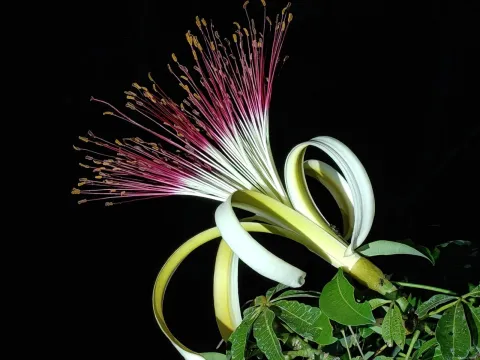
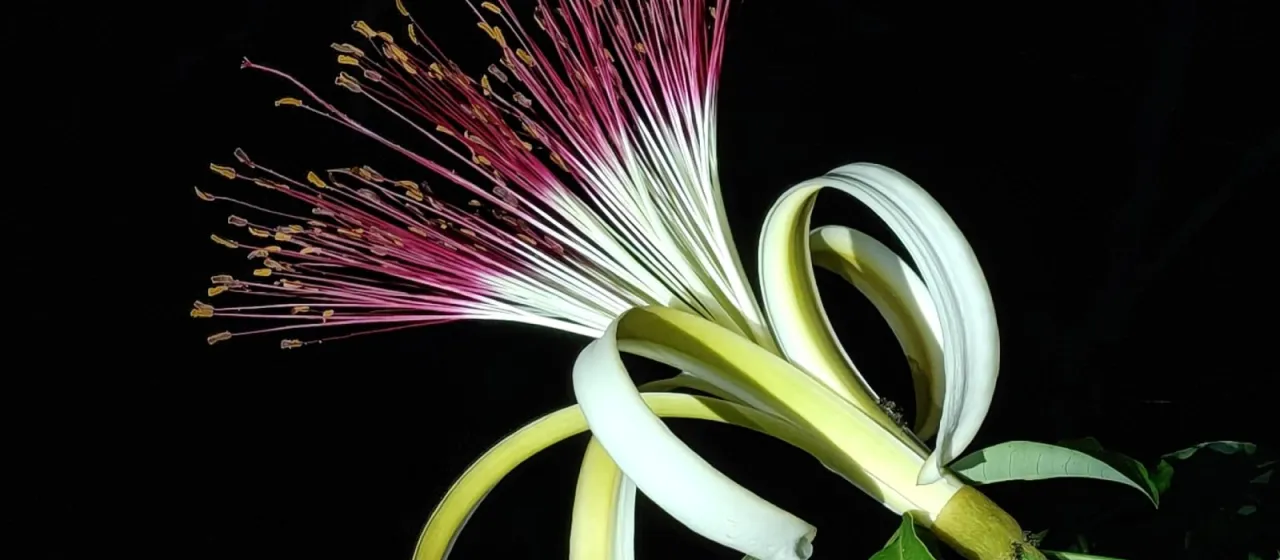
Botanically, the species is distinguished by its dramatic, brush-like flowers and large, woody seed pods. These pods contain multiple seeds, which represent the core economic yield of the cultivation process. The root system is generally shallow and highly efficient at nutrient uptake in moist, rich soil environments, contributing to the plant's overall resilience.
Agronomic requirements include a consistent tropical climate with temperatures typically ranging between 20°C and 30°C. The soil must be well-draining yet moisture-retentive, with a slightly acidic to neutral pH level. Proper agricultural management involves strategic irrigation to mimic seasonal rainfall patterns and careful soil aeration to prevent root hypoxia.
Economic uses are twofold: primarily as an agricultural food crop and secondarily as a popular ornamental plant. In agriculture, managing common pests such as spider mites and mealybugs is crucial for ensuring yield quality. Proper maintenance practices, including regular pruning and nutritional monitoring, are essential for maximizing the productivity of Pachira macrocarpa orchards.
- Significant sensitivity to waterlogged soil conditions.
- Requirement for consistent ambient humidity levels.
- Susceptibility to fungal pathogens during low-ventilation periods.
Photo gallery