Description
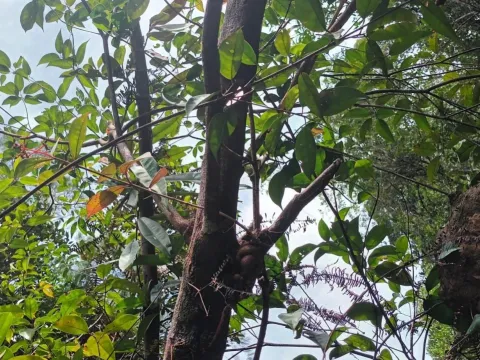
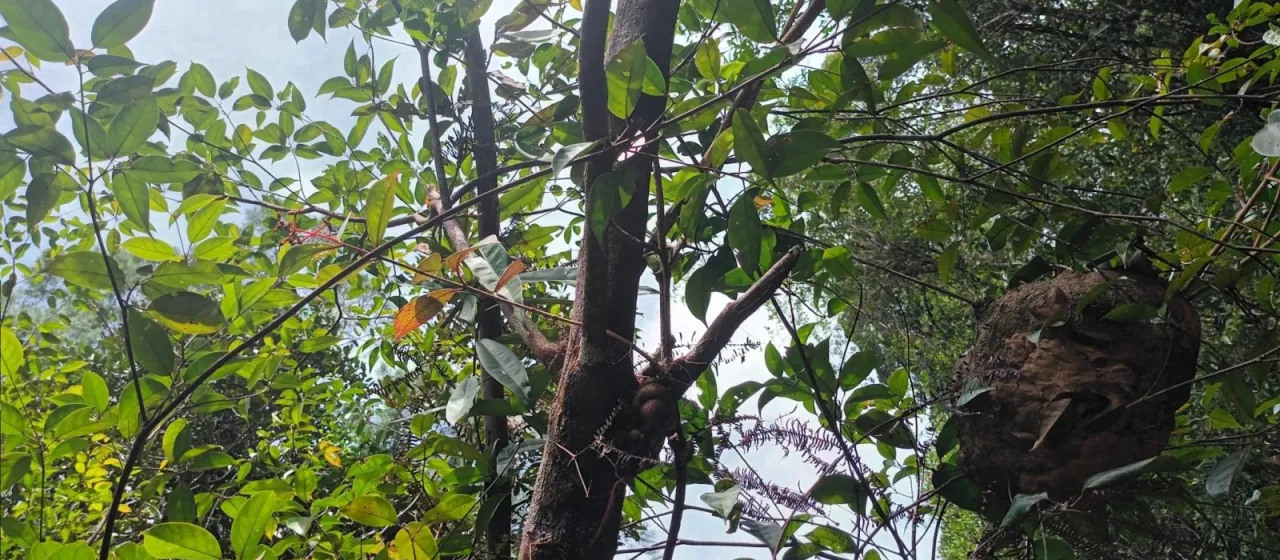
Pachycentria constricta is an intriguing botanical species belonging to the Melastomataceae family. Known for its epiphytic lifestyle, this plant typically grows on tree trunks and branches in the dense, moisture-rich environment of tropical rainforests. It occupies a specialized niche that requires significant humidity and protection from direct, harsh sunlight.
The native habitat of Pachycentria constricta spans the tropical regions of Southeast Asia. It is commonly found in countries such as Indonesia, Malaysia, and the Philippines, where high rainfall and warm temperatures create a stable environment that supports its slow-growing, succulent-like structure. These plants are well-adapted to the high-humidity, low-nutrient conditions found on host trees.
From a botanical standpoint, the plant is characterized by its woody or semi-woody stems and leathery leaves that often display the distinct venation pattern typical of the Melastomataceae. A key survival trait is the ability to form thickened, swollen structures that function as water-storage organs, allowing the plant to persist during intervals between tropical rain showers.
Successful cultivation requires a mimicry of its natural epiphytic habitat. Growers must provide a loose, well-draining substrate typically consisting of orchid bark, charcoal, and live sphagnum moss. Maintaining a high ambient humidity level of at least 70% and a consistent tropical temperature range is essential for the plant to thrive in a home or greenhouse setting.
While primarily cultivated by botanical gardens and niche plant collectors, the species serves as a fascinating subject for studying epiphytic adaptations. Essential management practices focus on hygiene to prevent fungal pathogens. Common issues include:
- Root rot caused by poorly aerated substrates or waterlogging.
- Infestations of spider mites due to insufficient atmospheric humidity.
- Fungal spotting on leaves resulting from poor air circulation in enclosed spaces.
Photo gallery