Description
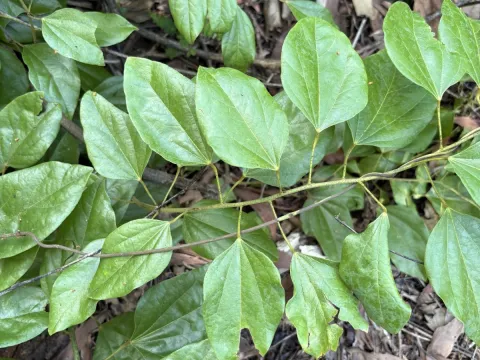
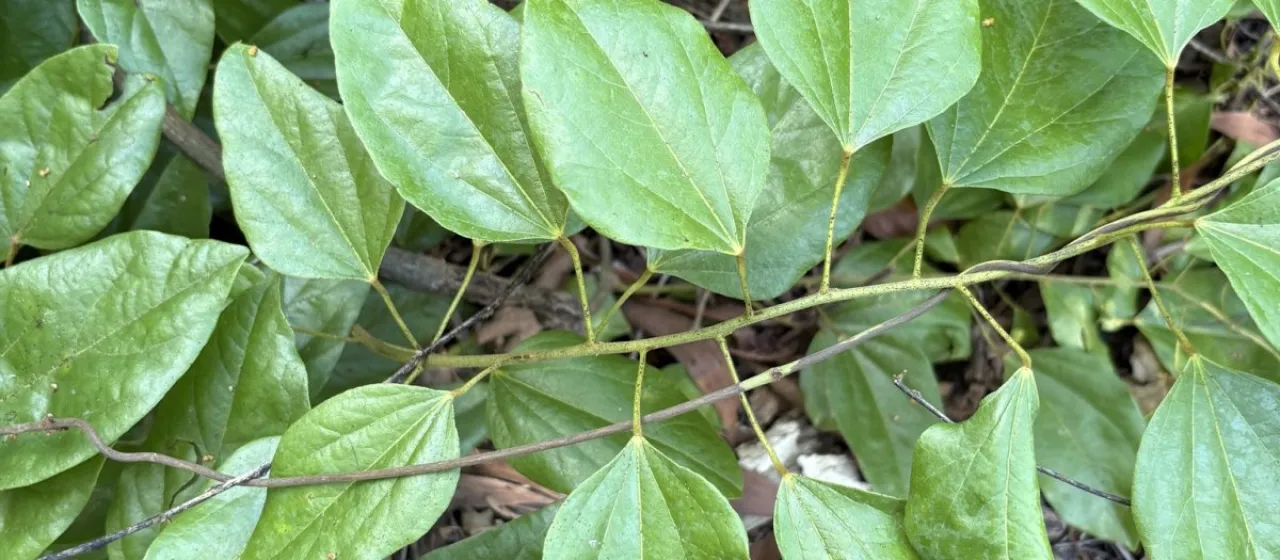
Pachygone ovata is a woody, climbing vine belonging to the Menispermaceae family. It is a perennial plant known for its vigorous growth and ability to thrive in dense tropical environments. Botanically, it is recognized by its ovate, leathery leaves and small, discreet flowers that form distinct clusters, which are typical for this family of plants.
The natural habitat of this species is found throughout the tropical regions of South and Southeast Asia, including India and Sri Lanka. It typically grows in coastal regions, thickets, and forests where the environment offers consistent warmth and high humidity. It is highly adapted to tropical conditions, often thriving in areas with calcareous soil formations.
Agricultural practices for Pachygone ovata emphasize the need for adequate structural support, as it is a climbing plant that requires space to spread its foliage. It prefers well-drained, nutrient-rich, and slightly acidic soils. To achieve healthy growth, cultivators must provide regular irrigation while ensuring that the soil does not become waterlogged, as this is critical to preventing root-related complications.
In terms of economic and practical application, the plant is highly valued for its medicinal properties. The roots, leaves, and seeds contain a complex profile of alkaloids and bioactive compounds. These are widely used in traditional medicine systems to treat various ailments, including inflammation and infections, positioning the plant as a valuable asset for the pharmaceutical sector.
Regarding pest and disease management, the plant requires consistent monitoring, especially in regions with high precipitation. Common challenges include fungal pathogens that develop on foliage during periods of stagnant air and damage from local insect species. Maintaining proper spacing and air circulation within the canopy is the most effective cultural method to ensure healthy yields and prevent significant economic loss in plantations.
Photo gallery