Description
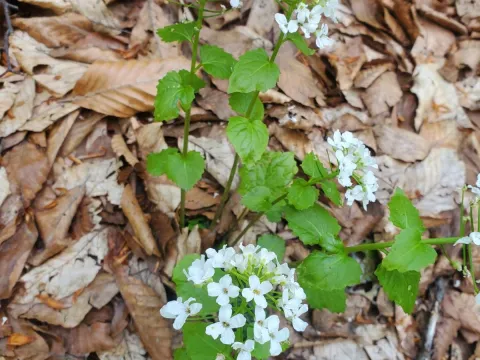
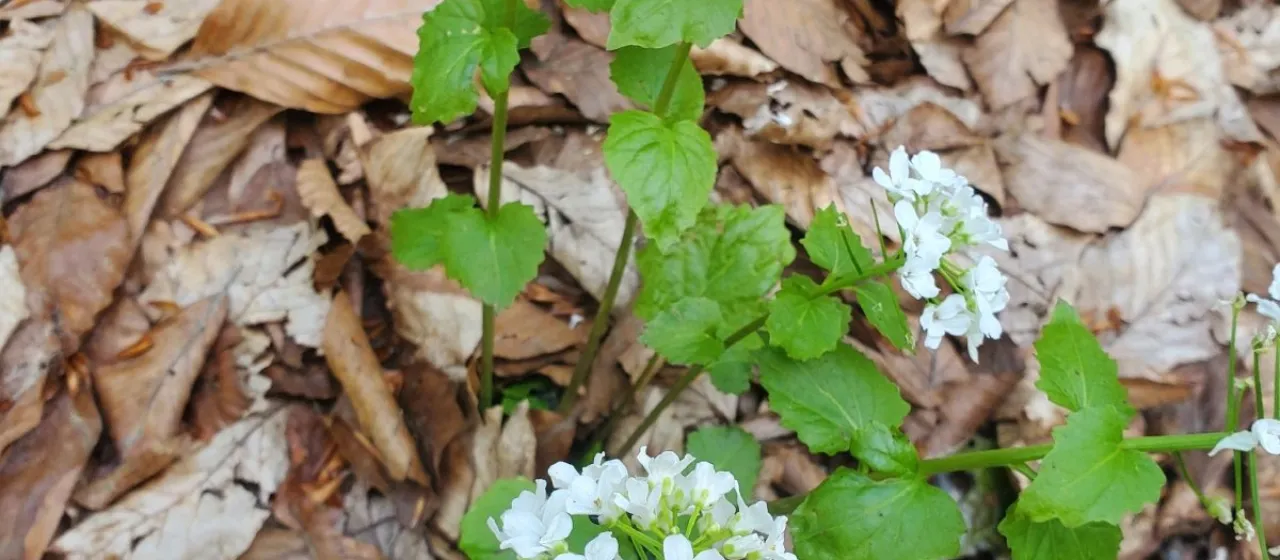
Pachyphragma macrophyllum is a herbaceous perennial plant belonging to the Brassicaceae family. Known for its distinct large leaves and early spring blooms, this plant is primarily recognized for its ornamental value and its specific adaptation to forest environments, making it a unique subject for botanical studies and specialized horticulture.
The native range of this species is centered in the Caucasus region and parts of Turkey. It typically inhabits moist, shaded forest understories and slopes. Because of its origin, the plant has evolved to complete its growth cycle during the cooler, wetter months of early spring before the full canopy density shades the forest floor.
Botanically, Pachyphragma macrophyllum is characterized by its broad, cordate-shaped leaves that create a dense ground cover. The inflorescence consists of white, cross-shaped flowers clustered in corymbs, which is typical for its family. The plant is hardy and spreads through rhizomes, allowing it to establish patches in favorable environments.
Agrotechnical requirements focus on replicating its natural habitat. It performs best in partial to full shade and requires soil that is rich in organic matter, well-draining, yet consistently moist. In cultivation, it does not require significant fertilization but benefits from a layer of leaf mulch, which helps preserve soil moisture and mimics its native ecosystem.
The primary horticultural use of this plant is as a shade-tolerant ground cover in cool, temperate climate gardens. While not a commercial field crop, its resilience and aesthetic appeal make it a popular choice for gardeners focusing on woodland landscapes. Its membership in the Brassicaceae family also invites interest in its phytochemical properties, as many relatives are known for high levels of biologically active compounds.
- Planting in shaded, cool locations
- Ensuring consistent soil moisture levels
- Applying organic mulch during the spring
- Minimal maintenance once established
Photo gallery