Description
Pachysandra axillaris is an evergreen perennial shrub belonging to the Buxaceae (boxwood) family. It is a highly valued ornamental plant known for its creeping habit and glossy foliage, providing excellent ground cover for shaded areas where other plant species struggle to thrive.
The plant originates from the mountainous forests of East Asia, particularly China. Its natural habitat is typically under a dense forest canopy, which dictates its physiological preference for cool, moist, and shaded environments. It has been successfully introduced into temperate climates for use in landscaping and forest-style gardening.
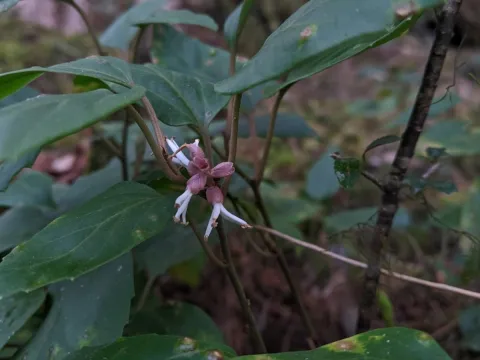
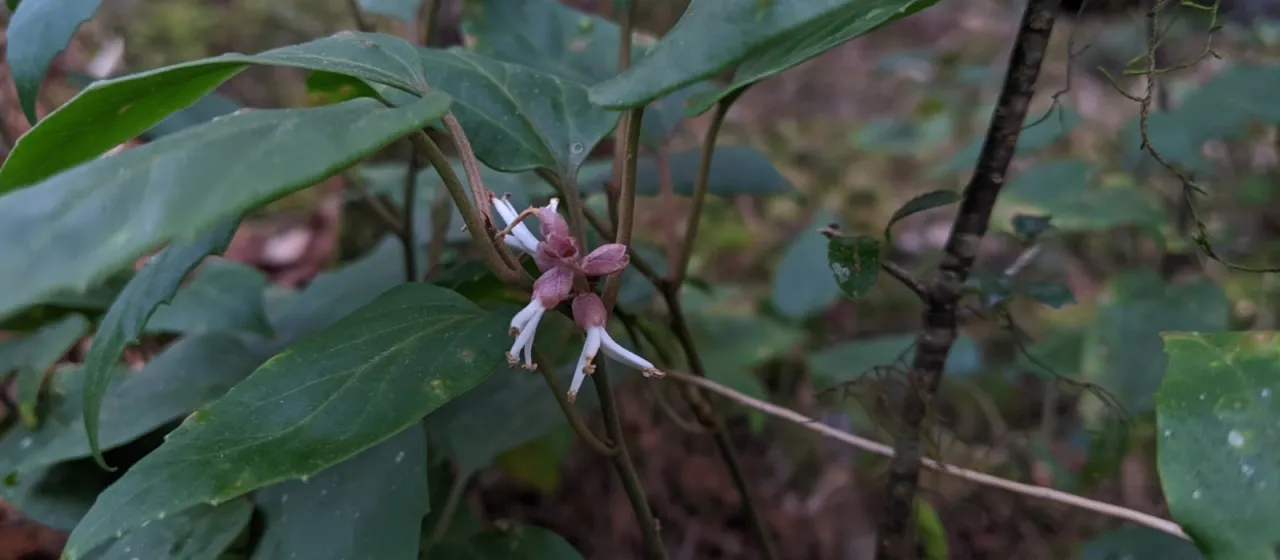
Botanically, Pachysandra axillaris is distinguished by its rhizomatous root system, which allows it to spread steadily. The leaves are broad, leathery, and dark green, arranged in whorls. Its flowers are small, spike-like, and pale, appearing in the leaf axils during the spring months, emitting a light, pleasant scent that attracts early pollinators.
To ensure optimal growth, the crop requires rich, humus-based soil that is well-drained yet moisture-retentive. It prefers acidic to neutral pH levels. High levels of nitrogen and regular organic mulching during the spring encourage vigorous growth. Proper spacing during initial planting is essential to allow the plant to cover the designated area effectively over time.
In terms of agricultural and horticultural use, this plant is primarily utilized for landscape design. It serves as an excellent low-maintenance ground cover, effective at suppressing weeds and preventing soil erosion on shaded embankments. It is also suitable for underplanting shrubs and trees to create a cohesive, lush green aesthetic.
- Pests: Susceptible to slugs and snails, especially in humid and wet climates.
- Diseases: May encounter root rot in poorly drained, waterlogged soils.
- Maintenance: Requires minimal pruning, mainly to control the spread if necessary.
- Propagation: Easily propagated through cuttings or by division of established clumps.
Photo gallery