Description
Pachystroma longifolium is a distinctive tree species belonging to the Euphorbiaceae family. It is recognized for its unique botanical features that allow it to thrive in the dense, humid environments of tropical rainforests. As a member of the diverse Spurge family, it shares many structural characteristics with other woody plants native to tropical regions.
The native range of this species is concentrated in the tropical areas of Brazil. It typically grows in moist forest ecosystems where the climate remains consistently warm throughout the year. The species is highly adapted to such environments, often forming a part of the dense canopy or understory where it benefits from high humidity and stable temperatures.
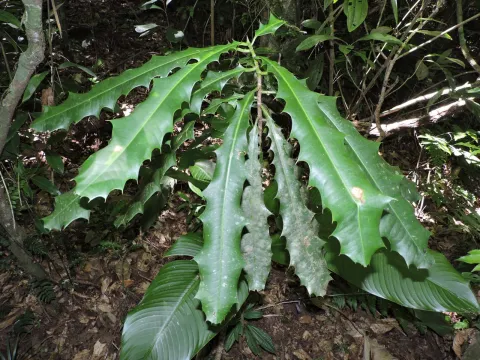
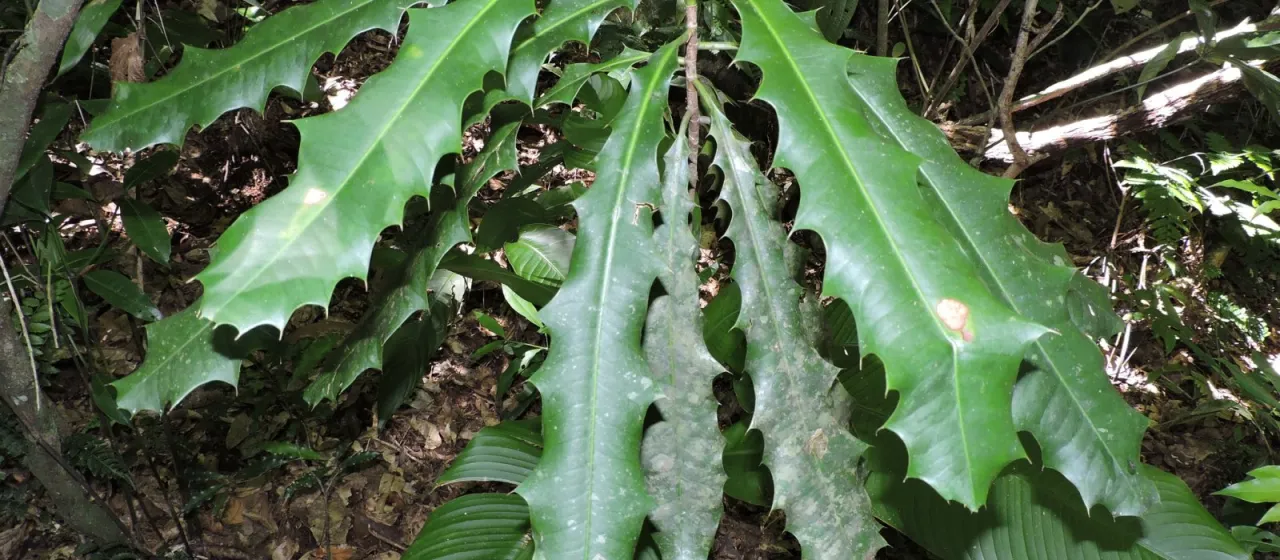
Morphologically, the tree is known for its long, lanceolate leaves and a sturdy trunk structure. Like many members of the Euphorbiaceae, it contains a milky sap, which serves as a defensive mechanism against herbivores. The root system is relatively extensive, providing the necessary support and nutrient uptake efficiency required to compete in nutrient-poor forest soils.
Cultivation requirements for this species include high air humidity and protection from extreme temperature fluctuations, particularly frost. The soil should be well-drained and rich in organic matter to prevent root rot, as the plant is sensitive to waterlogged conditions. Regular monitoring for typical forest pests is recommended when growing the plant in non-native environments.
Economic and utility applications for Pachystroma longifolium are largely limited to regional forestry and local construction, where its wood is valued for its durability. Beyond its timber utility, it plays an important role in biodiversity conservation efforts within its native habitat. It is also a subject of interest for botanical researchers studying the adaptation of Euphorbiaceae in tropical forest successions.
- Thrives in tropical moist climates.
- Requires well-drained, nutrient-rich soil.
- Sensitive to cold and frost conditions.
- Excellent shade tolerance in early development.
Photo gallery