Description
Skunk vine (Paederia scandens) is a perennial climbing vine that belongs to the Rubiaceae family. This species is recognized for its rapid growth rate and its ability to thrive in various light conditions, making it a prominent climbing plant in Asian ecosystems.
The plant originates from East and Southeast Asia, including countries like China, Japan, and Vietnam. It is widely distributed across temperate and subtropical regions, where it adapts well to humid climates, moist valleys, and forest edges, which serve as its primary natural habitats.
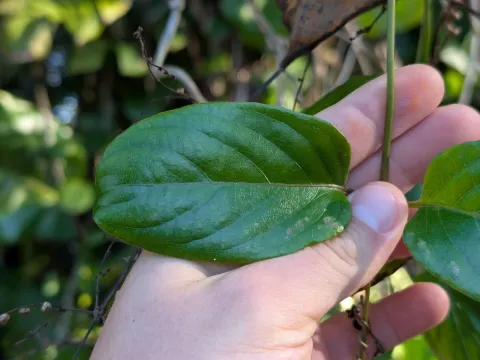
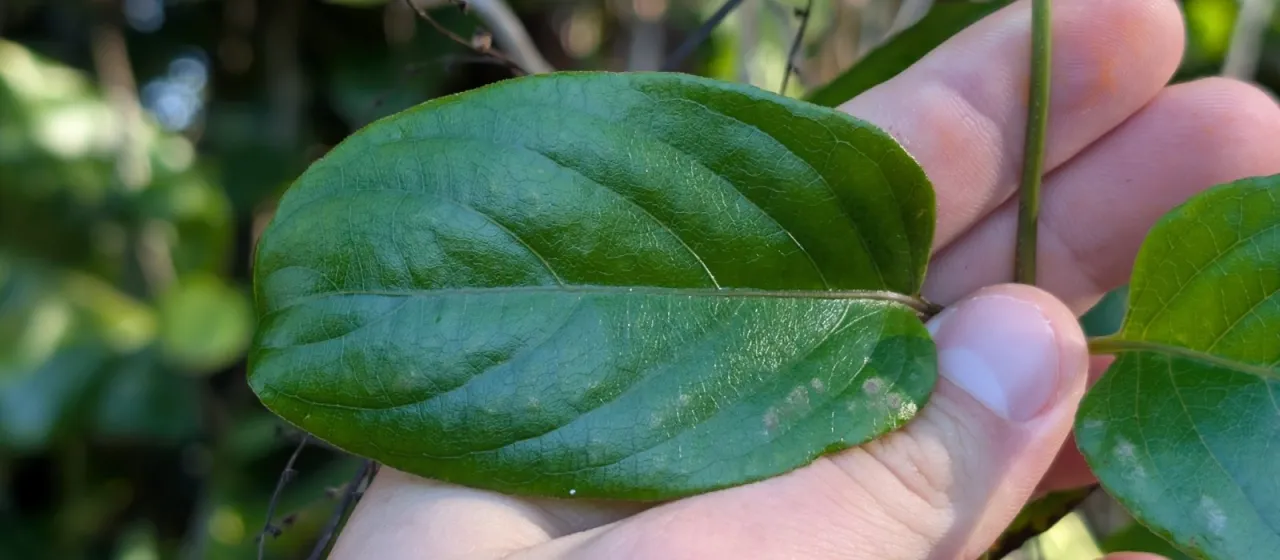
Botanically, it is defined by its slender, twining stems and opposite, ovate-lanceolate leaves. The flowers are small, funnel-shaped, and usually cluster in terminal or axillary panicles. Its common name, skunk vine, derives from the sulfurous odor released when the leaves or stems are crushed, a biological trait intended to deter herbivores.
Cultivation requirements focus on fertile, moisture-retentive, and well-drained soils. The plant thrives in partial shade to full sun. Agrotechnical practices should involve setting up robust trellis systems, as the plant can become invasive if left uncontrolled. Proper spacing and seasonal pruning are essential to manage its vigorous biomass production.
From an agricultural and commercial standpoint, Paederia scandens is utilized for its therapeutic properties, being rich in bioactive compounds used in traditional medicine systems. However, it must be managed carefully, as its high competitiveness can lead to it becoming a weed in neighboring crop fields. Disease management focuses on mitigating fungal leaf spot outbreaks, while pest control targets aphids and other sap-feeding insects.
Photo gallery