Description
Scented fern (Paesia scaberula) is a perennial fern species belonging to the family Dennstaedtiaceae. While not a commercial food crop, it holds significance in horticulture and ecological restoration. It is often recognized for its unique scent and its ability to act as a vigorous ground cover in specific temperate environments.
The plant is endemic to New Zealand, where it is found in diverse habitats ranging from open forest clearings and scrubland to roadside banks. It is well-known for its role as a colonizing species, rapidly regenerating in areas where vegetation has been disturbed or destroyed, particularly following fire events which trigger its robust rhizomes to sprout.
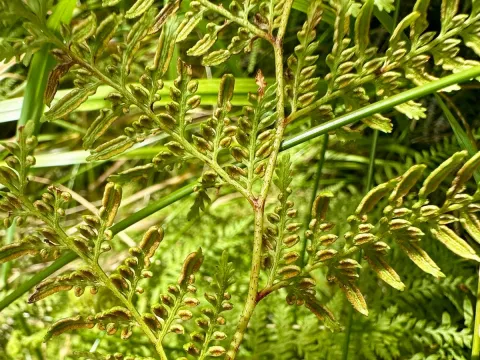
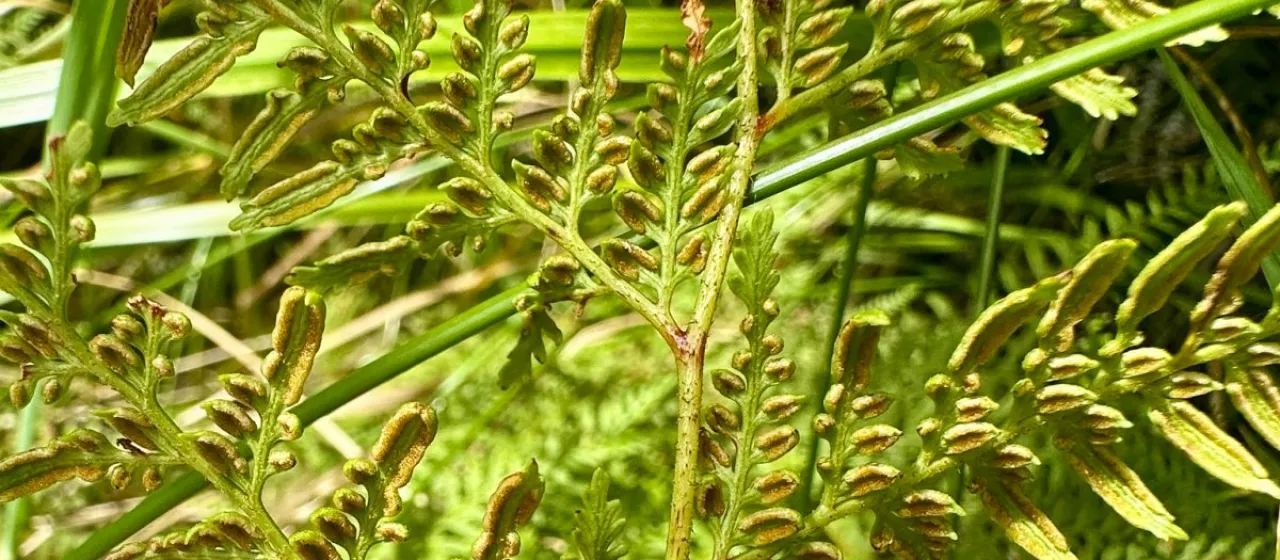
Botanically, Paesia scaberula is characterized by its triangular, tripinnate fronds that can grow up to 90 cm in length. The foliage has a distinctive rough, scaberulous texture to the touch, which gives the plant its scientific name. The sori (spore-bearing structures) are protected by a false indusium, a characteristic trait of the Dennstaedtiaceae family.
Cultivation requirements for this fern are relatively straightforward but demand attention to soil quality. It thrives best in well-draining, slightly acidic soil with high organic content. While it can tolerate full sun, it performs significantly better in semi-shaded areas where humidity levels remain constant, preventing the fronds from scorching or drying out prematurely.
In terms of economic and practical application, the scented fern is primarily utilized in landscaping as a large-scale ground cover, especially in native restoration projects. Agronomists note that while it is hardy and resistant to most common pests, it can become invasive if not properly contained, potentially outcompeting adjacent ornamental plants or pasture species if left unmanaged.
Photo gallery