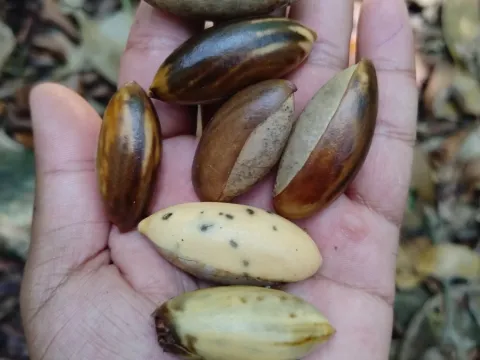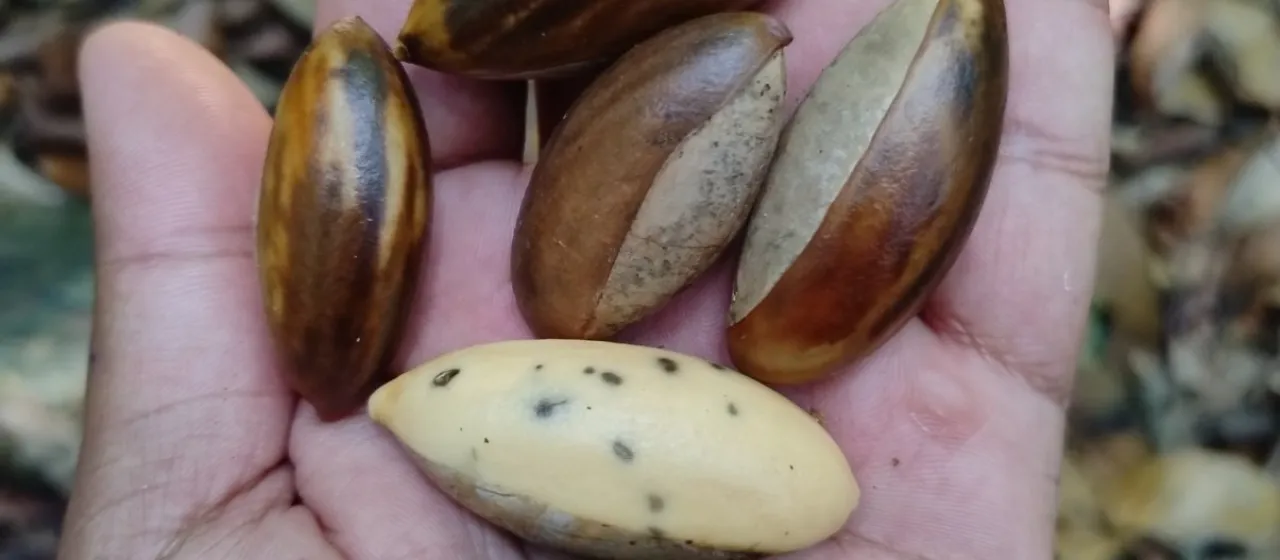
Description
Palaquium ellipticum is a prominent species within the Sapotaceae family, known for its significant role in tropical forest ecosystems. It is a large, evergreen tree that has been historically utilized for its wood and the latex-like substances found within its bark tissues.
The natural habitat of this tree is centered in the tropical regions of India, specifically the Western Ghats. It thrives in high-humidity environments where precipitation is abundant throughout the year, which serves as a primary limiting factor for its successful cultivation in other geographic zones.
Botanically, the species is characterized by its glossy, elliptical leaves and a dense, structural canopy. The tree produces a milky sap that contains guttapercha, a natural thermoplastic polymer that was once widely sought after for various industrial insulation and manufacturing applications.
Agronomically, Palaquium ellipticum requires deep, well-draining soils rich in organic matter to reach maturity. Optimal management involves establishing the trees in areas that mimic their natural understory conditions during early development, followed by sufficient light exposure to encourage robust growth in later stages.
The economic value of this tree is largely derived from its timber, which is appreciated for its strength and durability in construction projects. While not typically grown as a mass-market agricultural crop, it remains a vital species for sustainable forestry and eco-restoration efforts within its native range.
- Pests: Wood-boring beetles and termites.
- Diseases: Fungal pathogens affecting the trunk under waterlogged conditions.
Photo gallery