Description
Palaquium hispidum is a prominent tropical evergreen tree species belonging to the Sapotaceae family. Known for its significant ecological role in the rainforests of Southeast Asia, this tree is recognized for its dense foliage and its historical significance as a source of high-quality latex, similar to other members of the genus that produce guttapercha.
The native distribution of this species spans across the humid tropical regions of the Malay Archipelago, particularly within the Philippines and parts of Indonesia. It thrives in lowland rainforests where environmental conditions remain stable, characterized by high humidity, abundant rainfall, and consistently warm temperatures throughout the year.
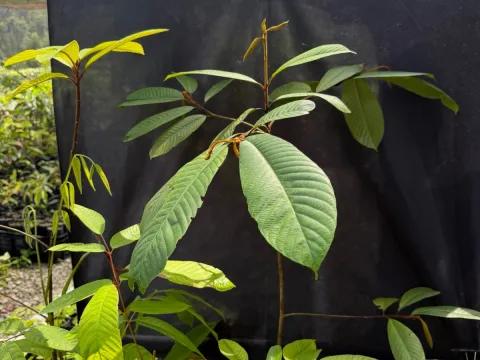
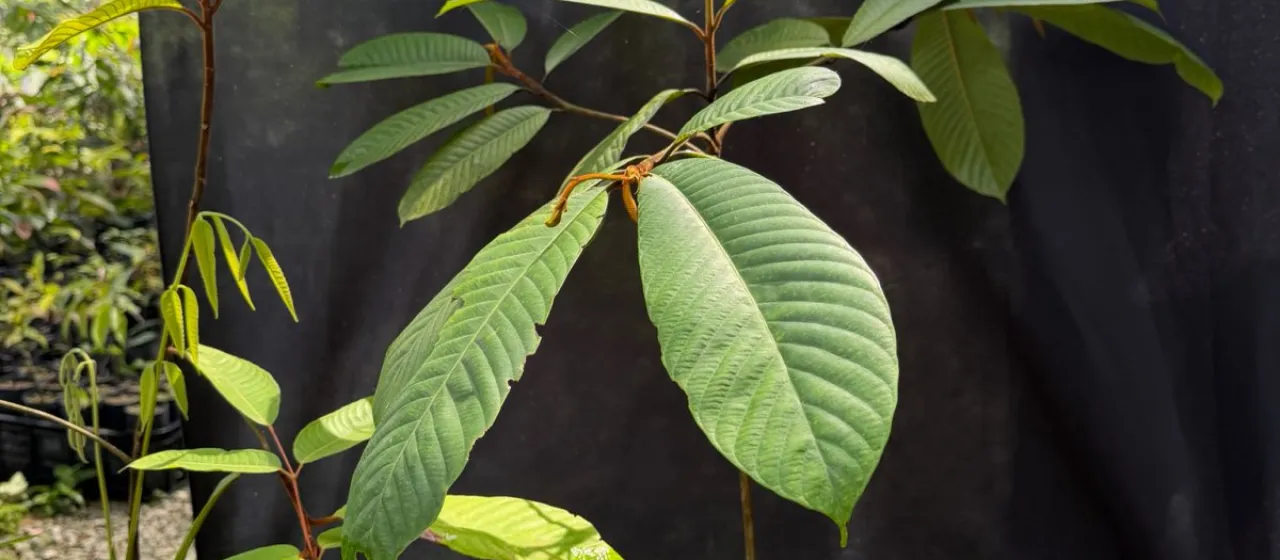
Botanically, Palaquium hispidum is defined by its robust structure and the characteristic stiff hairs on its leaves, which serve as a diagnostic feature for the species. The tree can reach substantial heights in mature forests, with a straight trunk and a well-developed root system. It exhibits slow to moderate growth rates, typical for many high-quality hardwood tree species in the tropics.
Cultivation practices for this species focus on site selection with deep, nutrient-rich soils that provide excellent drainage. Since the tree is sensitive to waterlogged conditions, soil management is critical to prevent root pathogens. Propagation is primarily achieved through seeds, which require careful handling as they have a relatively short viability period and must be planted shortly after harvesting.
In terms of economic utility, the tree is primarily managed for its valuable timber, which is appreciated for its strength, durability, and resistance to environmental stress. Additionally, the potential for non-timber forest products, such as the extraction of natural polymers like guttapercha, remains a subject of botanical interest. Effective management requires protection from specific pests and fungal diseases common in tropical environments.
- Preference for deep, humus-rich soil profiles.
- High sensitivity to prolonged dry periods during early growth stages.
- Susceptibility to various wood-boring insects.
- Requires a canopy layer to protect seedlings from excessive direct sunlight.
Photo gallery