Description
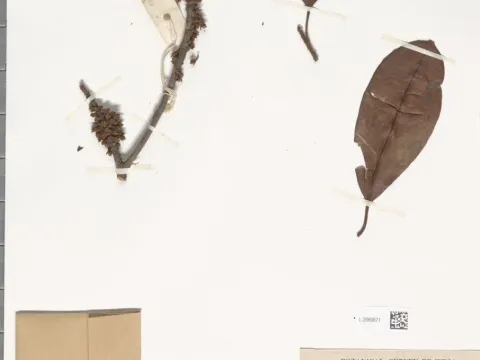
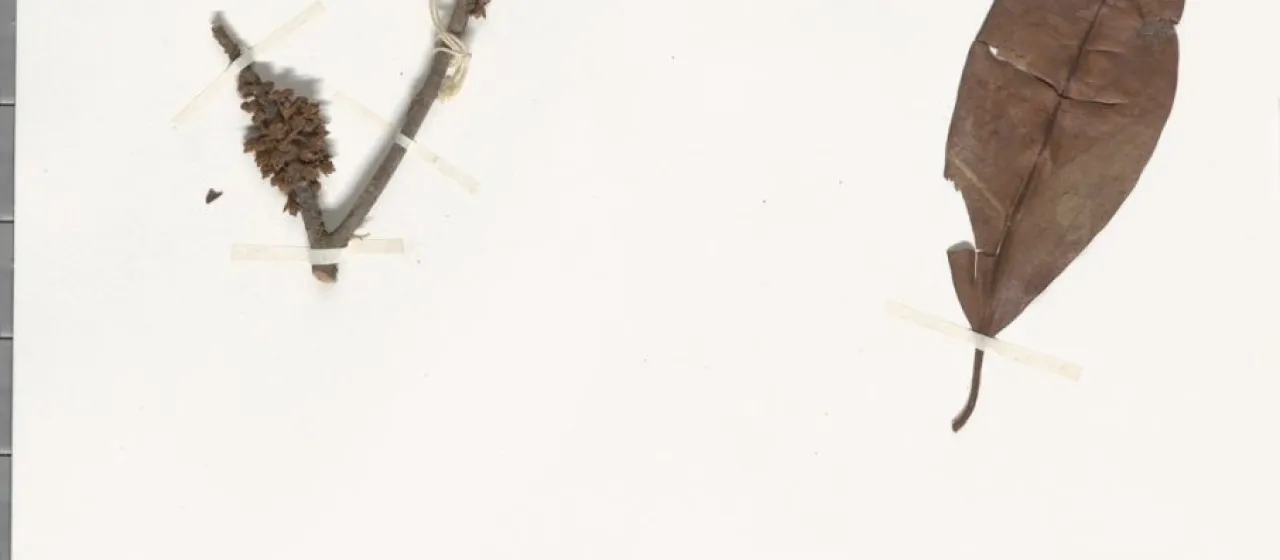
Palaquium semaram (scientific name: Palaquium semaram) is a tropical tree species belonging to the Sapotaceae family. This evergreen tree is a significant component of tropical ecosystems and is biologically recognized for its ability to produce latex. It is highly adapted to the complex environment of Asian rainforests and remains a species of botanical interest.
The native range of this species is primarily located in the tropical regions of Southeast Asia, with Indonesia being the center of its distribution. The tree thrives in lowland and mountain rainforests where the climate remains warm and humid throughout the year. It has evolved to compete for space within dense forest canopies, making it a robust species in its natural habitat.
Botanically, Palaquium semaram features a sturdy trunk, durable bark, and characteristic leathery leaves. The plant exhibits typical morphological traits of the Sapotaceae family, including a dense foliage structure that maximizes light absorption in the understory. Its root system is deep and expansive, providing stability and efficient nutrient uptake in tropical soils.
Regarding agrotechnical requirements, the species demands consistent moisture and nutrient-rich, well-draining soil. It is poorly suited for environments with distinct dry seasons or waterlogged conditions. Cultivation efforts focus on creating microclimates that mimic its natural forest habitat, ensuring protection for younger trees during their initial development phases.
The economic value of this tree is largely derived from the production of gutta-percha, a natural rubber-like latex. Additionally, the wood of Palaquium semaram is valued for its strength, density, and resistance to decay, making it suitable for high-end construction and artisanal woodworking.
- Source of natural gutta-percha
- High-density timber
- Role in ecosystem stability
- Potential for reforestation projects
Common pests and diseases include fungal infections that affect the foliage and bark, often exacerbated by high humidity levels. Wood-boring insects can also pose a risk to the health of the trees. Integrated pest management, focusing on plantation hygiene and the encouragement of natural predators, is essential for maintaining the productivity and longevity of the trees.
Photo gallery