Description
Dulse (Palmaria palmata) is a prominent species of red algae belonging to the family Palmariaceae. It is a perennial seaweed renowned for its nutritional density, containing significant amounts of protein, dietary fiber, antioxidants, and essential trace elements like iodine. This species is widely recognized in traditional maritime cultures and modern health food industries.
The native distribution of Palmaria palmata encompasses the colder regions of the North Atlantic and Pacific Oceans. It naturally thrives in the intertidal and subtidal zones, typically attaching to rocks or shells. With the rising global demand for sustainable food sources, commercial mariculture has expanded, focusing on controlled cultivation in both open-sea nets and land-based tank systems.
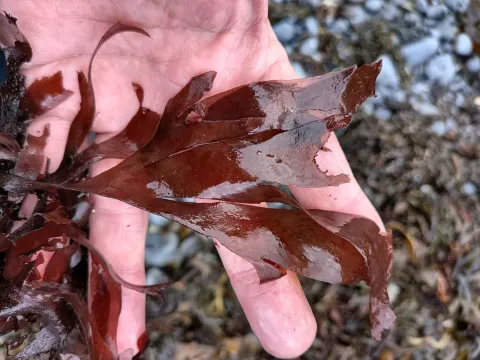
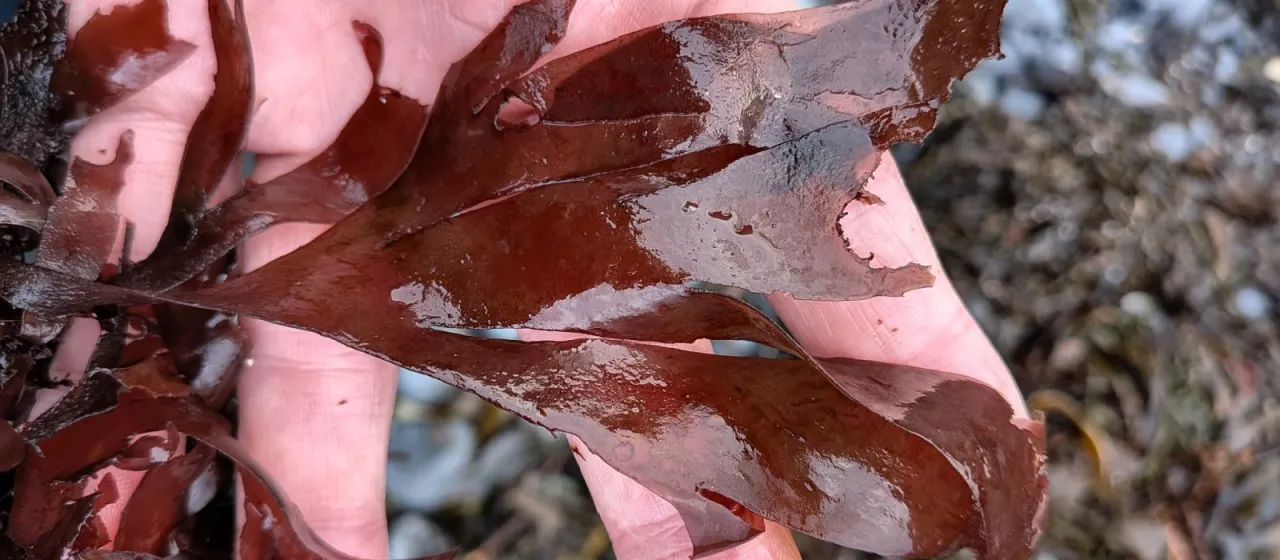
Botanically, dulse possesses a leathery, palmately branched frond that can grow up to 50 centimeters in length. The thallus is typically a deep, vibrant red or purple color, which is characteristic of the phylum Rhodophyta. Its structure is flexible and elastic, allowing it to withstand the strong wave action common in its natural rocky habitats, making it durable for harvesting purposes.
Cultivation requirements for dulse are specific: it thrives in cold water temperatures ranging from 5°C to 15°C. Growth is highly dependent on light intensity and nutrient availability, particularly nitrates and phosphates in the water. In artificial environments, growers ensure constant water movement to simulate tidal currents, which facilitates nutrient uptake and prevents the accumulation of waste products on the fronds.
The economic applications of dulse are diverse, ranging from direct human consumption as a sea vegetable to its role in the cosmetic industry for skin-rejuvenating products.
- Commonly dried and eaten as a snack or seasoning.
- Used as a nutrient-rich additive in livestock feed.
- Processed for extracts in functional food manufacturing.
Photo gallery