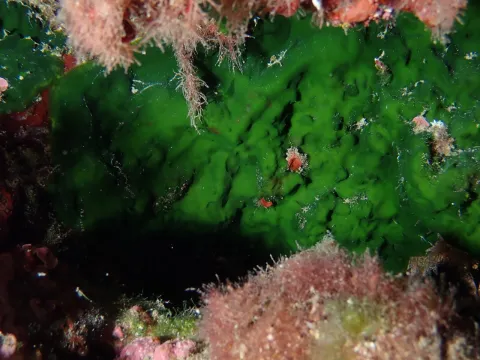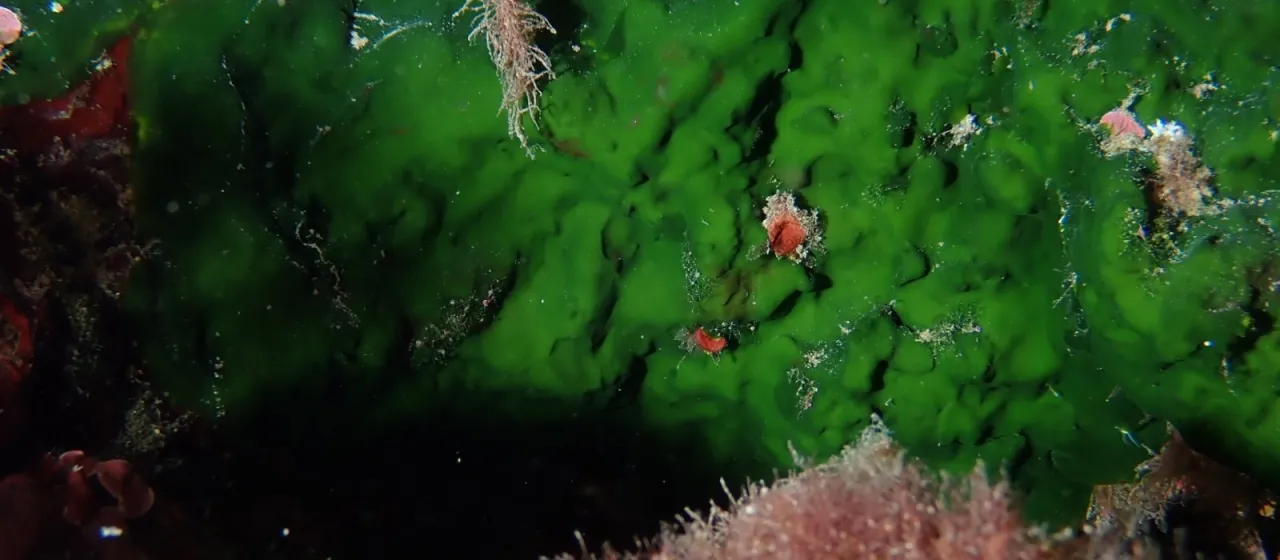
Description
Palmophyllum crassum is a unique species of green algae belonging to the Palmophyllaceae family. This multicellular marine organism typically inhabits deep-sea ecosystems, thriving in stable light and temperature environments.
The species is defined by its characteristic thallus structure, which has a cartilaginous or mucilaginous consistency. Inside the colonial formation, cells are arranged within a dense matrix, allowing the alga to survive under significant hydrostatic pressure at depths of several tens of meters.
The distribution range of the species covers mainly temperate and tropical latitudes of the World Ocean. Unlike coastal species, this macroalgae is adapted to low-light conditions, utilizing specific pigments to maintain efficient photosynthesis in deeper waters.
Cultivation techniques for this species are currently in the research phase. Unlike traditional terrestrial crops, Palmophyllum crassum requires specialized aquaculture conditions, including precise salinity control, strict temperature regulation, and high water purity levels within bioreactors or controlled marine farms.
The economic potential of this culture is linked to the extraction of bioactive compounds and polysaccharides. While it is not currently considered a crop for mass field agriculture, it is of significant interest for the pharmaceutical industry and advanced biotechnological studies of marine biological resources.
Photo gallery