Description
Pangium edule is a significant tropical tree species belonging to the family Achariaceae. Often referred to as the pangi or football tree, it is native to the mangrove swamps and rainforests of Southeast Asia, particularly Indonesia and Papua New Guinea, where it has been cultivated for centuries.
The tree thrives in equatorial climates characterized by high humidity and consistent tropical temperatures. It is highly sensitive to cold, which limits its commercial cultivation to specific regions near the equator. Naturally, it prefers rich, moist soils found along riverbanks or in low-lying areas where water availability is consistent throughout the year.
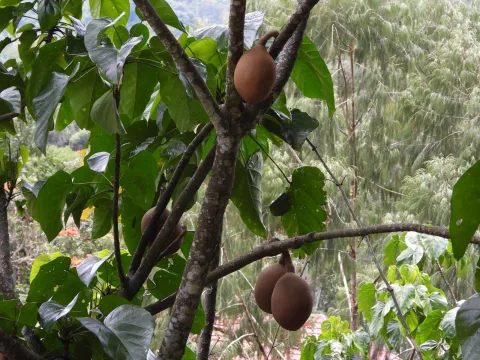
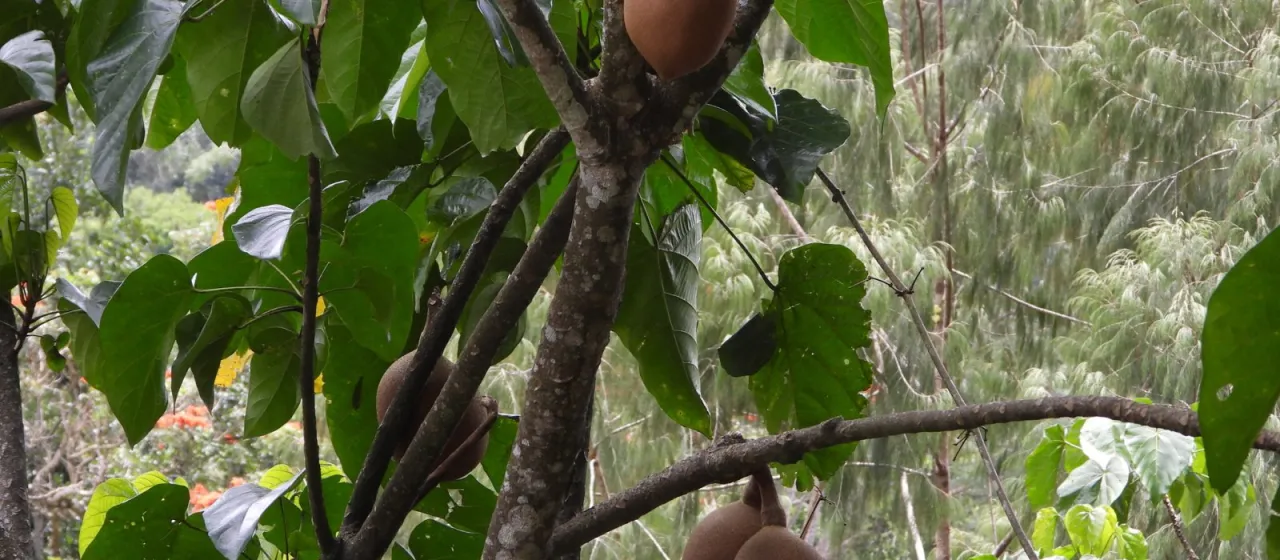
Botanically, Pangium edule is a large evergreen tree that can reach heights of 25 to 30 meters. It features large, heart-shaped leaves and exhibits dioecious characteristics, meaning separate male and female trees are required for fruit production. The fruits are large, brown, and flask-shaped, containing numerous seeds encased in a creamy, oily pulp.
Agricultural requirements for this crop focus on soil fertility and drainage. While the plant loves water, it cannot survive in waterlogged conditions that lead to root rot. Propagation is primarily achieved through seeds, which should be planted shortly after harvest. A spacing of at least 10–15 meters between trees is recommended to allow for adequate canopy development and air circulation.
The economic and culinary utility of the plant is centered on its seeds, which are highly toxic due to the presence of cyanogenic glycosides.
- Traditional processing involves boiling, soaking, or burying seeds for weeks.
- The resulting processed nuts are a staple ingredient in various regional cuisines.
- Seed oil is extracted for cooking and industrial lubrication.
- Traditional medicine utilizes various parts of the tree for skin treatments.
Pathogen management is essential, as the tree can be prone to fungal attacks in high-humidity environments without proper canopy thinning. Pests, including various stem borers and tropical foliage-feeding insects, may impact yields. Proper orchard management and regular monitoring for early signs of infection are critical to ensuring the longevity and health of the plantation.
Photo gallery