Description
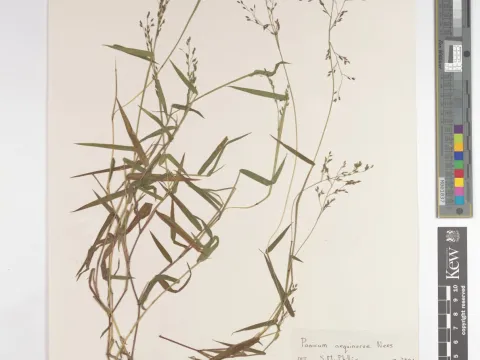
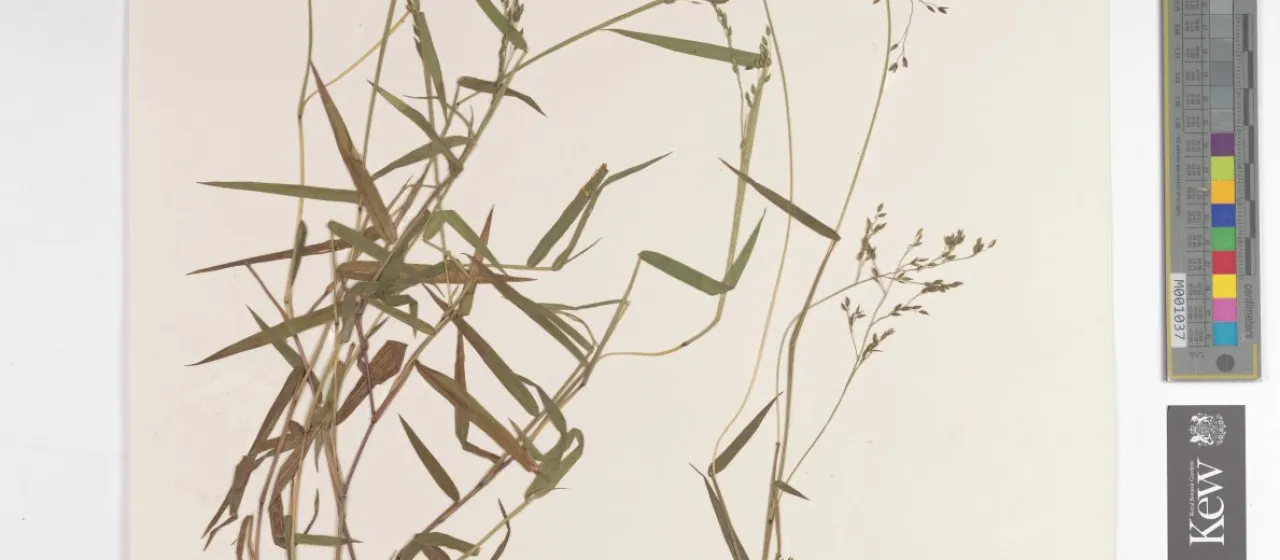
Panicum aequinerve is a perennial grass species belonging to the family Poaceae. Within the diverse genus Panicum, this species is noted for its specific anatomical structure, particularly in the formation of its spikelets and vegetative growth habits, which allow it to thrive in its native habitats.
The plant is native to the African continent, particularly prevalent in regions characterized by diverse terrain including forest edges, riverine environments, and grasslands. It has evolved to adapt to climates where seasonal rainfall patterns dictate the active growth phases of the plant throughout the year.
Botanically, it features a tufted growth habit with straight, slender stems and narrow leaves. The inflorescence is a panicle with symmetrical spikelets, where the glumes exhibit distinct venation. This structural characteristic is essential for identification and distinguishes it from related species in the field.
Cultivation requirements involve well-drained, nutrient-rich soils. Unlike some heliophilic grasses, Panicum aequinerve demonstrates a level of shade tolerance, making it a potentially valuable asset for specific agroforestry systems or mixed-use pastures where sunlight availability is not uniform.
The economic importance of this crop lies in its potential as a forage resource for livestock. It is resilient under managed grazing conditions, provided that soil moisture remains adequate. Common issues for this species include occasional fungal infections such as rusts during prolonged rainy spells and pressure from specific grass-feeding aphids.
Photo gallery