Description
Bitter panicgrass (Panicum amarulum) is a robust perennial grass species belonging to the Poaceae family. Known for its remarkable endurance, this plant is specifically adapted to coastal environments, where it serves as a critical component of dune stabilization and soil conservation strategies.
The native range of this species is primarily the coastal regions of North America. It is naturally found inhabiting sandy beaches, dunes, and saline environments. Its evolutionary adaptation to salt-spray and salt-affected soils allows it to thrive in conditions that are highly inhospitable to most conventional agricultural crops.
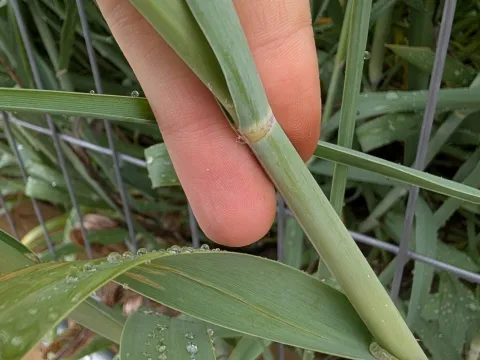
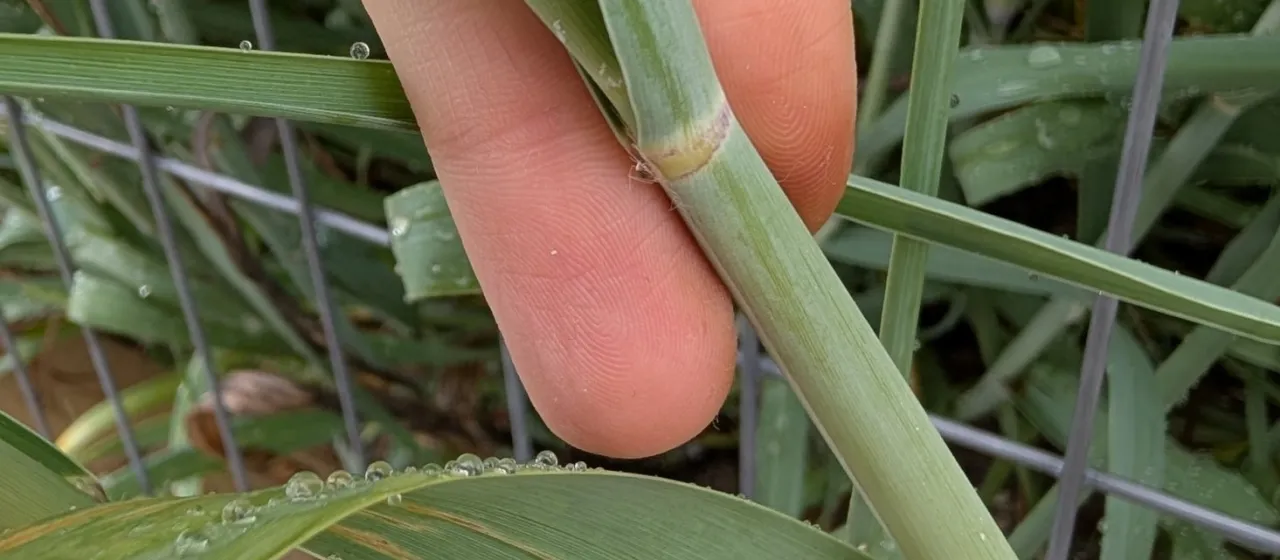
Botanically, Panicum amarulum is characterized by its stiff, upright stems that can reach heights of up to 1.5 meters. The foliage is bluish-green, and the plant develops a deep, fibrous root system. This dense root structure is the key to its ability to bind loose sand, making it an excellent candidate for stabilizing unstable terrain.
Regarding climate and soil requirements, the plant prefers full sun and well-drained, sandy soil. It is highly drought-tolerant once established and does not require fertile soil to survive. In terms of agronomy, planting is usually conducted via rooted slips or containerized seedlings during the spring season to ensure proper establishment before the heat of summer.
The primary economic and environmental use of bitter panicgrass is in ecological restoration. Key applications include:
- stabilization of shifting coastal sand dunes;
- mitigation of wind erosion in sandy areas;
- establishment of protective buffer zones in maritime habitats;
- reclamation of degraded, salt-impacted lands.
The plant demonstrates significant natural resistance to most common pests and diseases found in grasses. However, poor drainage or excessive humidity in non-coastal planting sites can occasionally lead to fungal leaf pathogens. Maintaining adequate spacing and ensuring sufficient air circulation is essential for the long-term health of these plantings.
Photo gallery