Description
Panicum bergii is a perennial grass species belonging to the Poaceae family. As a member of the diverse Panicum genus, it plays a specific role in the ecological and agricultural landscape of its native regions, serving as a reliable biological resource for soil cover and biomass production.
The origin of Panicum bergii is traced back to South America, particularly within the grassland regions of Argentina and Uruguay. Its distribution is naturally adapted to the specific climatic conditions of these areas, where it has evolved to thrive in environments that experience periodic moisture stress and various temperature fluctuations throughout the growing season.
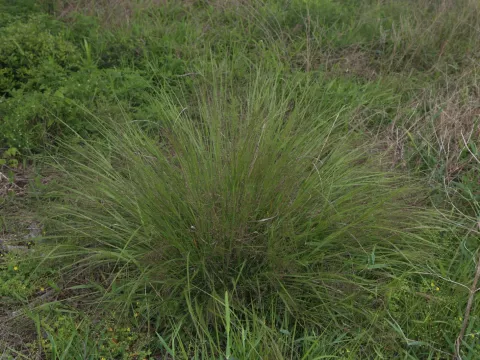
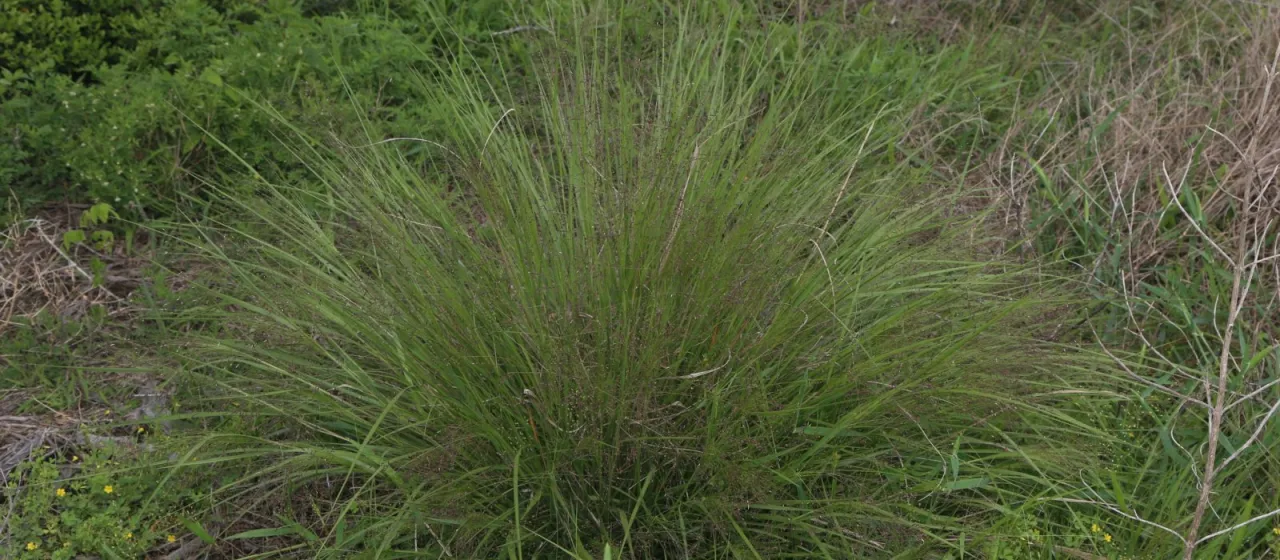
Botanically, this grass is distinguished by a strong, fibrous root system that provides structural stability to the soil. Its leaves are typically narrow and elongated, characteristic of many warm-season grasses. The inflorescence, a panicle, holds the seeds that are crucial for the plant's propagation and survival in natural and managed habitats.
Regarding agronomic requirements, Panicum bergii prefers well-drained soil types and can adapt to varying fertility levels. Proper agricultural management involves strategic grazing or mowing schedules to ensure maximum biomass production while preventing over-depletion of the root reserves. It is considered a resilient species that fits well into extensive livestock management systems.
- Requires moderate soil moisture for optimal growth.
- Maintains high nutritional value for livestock feed.
- Acts as an effective barrier against soil erosion.
- Shows natural resistance to many common local pests.
The primary economic use of this plant is in the forage industry. It is highly valued for its ability to provide consistent grazing material in permanent pastures. Furthermore, ongoing research into its biological traits focuses on potential selection for improved drought tolerance and yield stability in varying environmental conditions.
Photo gallery