Description
Black-nerved panicgrass, scientifically known as Panicum bisulcatum, is a grass species belonging to the Poaceae family. This plant is distinct from common millet varieties due to its specific environmental adaptations and ecological preferences, making it a subject of specialized study in agricultural science and botany.
Originating from the tropical and subtropical regions of Asia, the plant is naturally adapted to high-humidity environments. Its native habitat typically includes shaded forest edges, riparian zones, and moist meadows. Consequently, its cultivation is largely concentrated in regions that mimic these favorable ecological conditions.
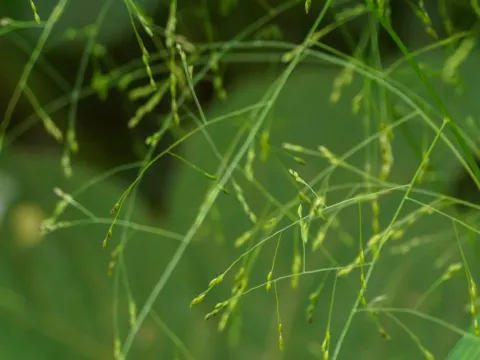
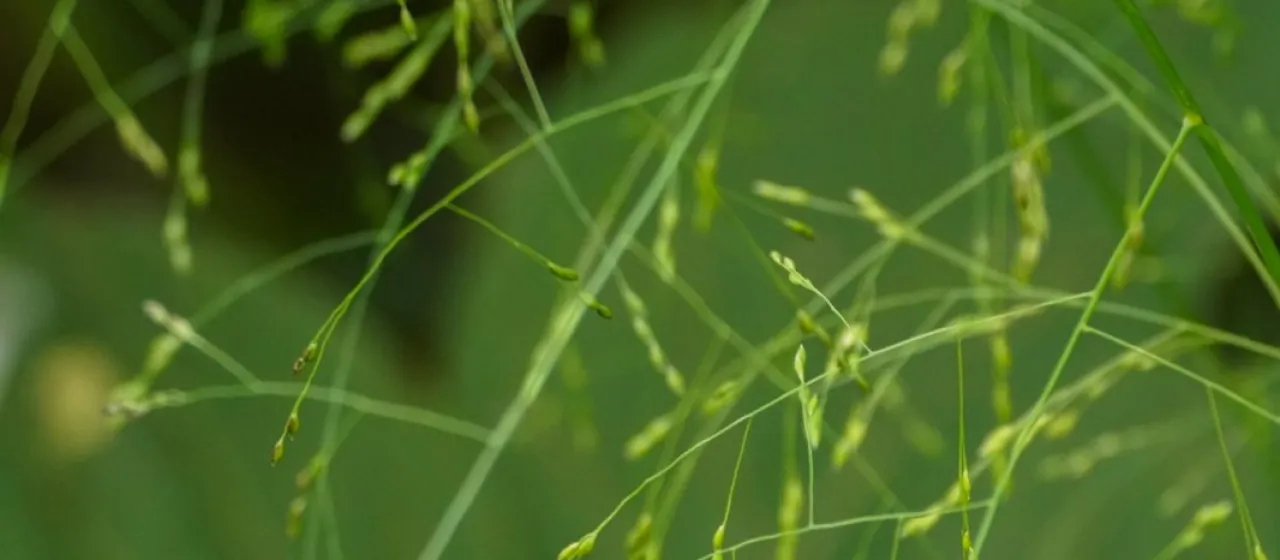
Botanically, Panicum bisulcatum is characterized by its slender, erect or sprawling stems and narrow, lance-shaped leaves. The inflorescence is a panicle, typical of the genus, yet it exhibits unique morphological features in its spikelets. These anatomical traits allow the plant to maintain physiological efficiency in varied light conditions, including partial shade.
The agronomic requirements for this crop focus heavily on moisture management and soil quality. It thrives best in well-drained, nutrient-rich soils that retain sufficient moisture throughout the growing season. Successful cultivation requires careful site selection to avoid temperature extremes, as the plant is susceptible to cold stress during its early growth phases.
In agricultural practice, this grass is primarily valued as a forage crop. It provides a source of high-quality green biomass that can be utilized for livestock feeding. Furthermore, its ability to establish quickly in specific environments makes it a candidate for soil conservation and land restoration projects in suitable tropical climates.
- Requires consistent water availability for optimal yield.
- Highly sensitive to frost and low ambient temperatures.
- Effective in preventing soil erosion in moist environments.
- Moderate shade tolerance distinguishes it from other millet species.
Photo gallery