Description
Dense panicgrass (Panicum condensum) is a perennial grass species belonging to the Poaceae family. This crop is recognized in agricultural studies for its ability to produce substantial biomass under specific hydrologic conditions, making it a subject of interest for sustainable forage management strategies.
The plant is native to South America, where it thrives in tropical and subtropical climates. Its natural distribution is largely restricted to habitats with high moisture availability, such as floodplains, wet meadows, and areas adjacent to water bodies, where it has evolved to tolerate periodic waterlogging.
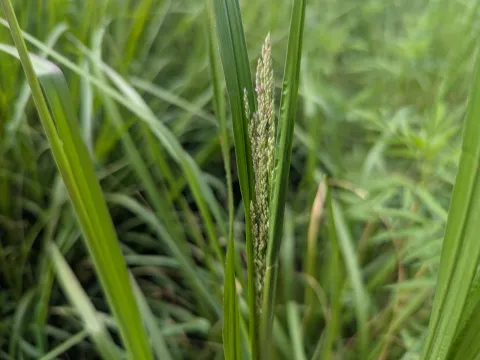
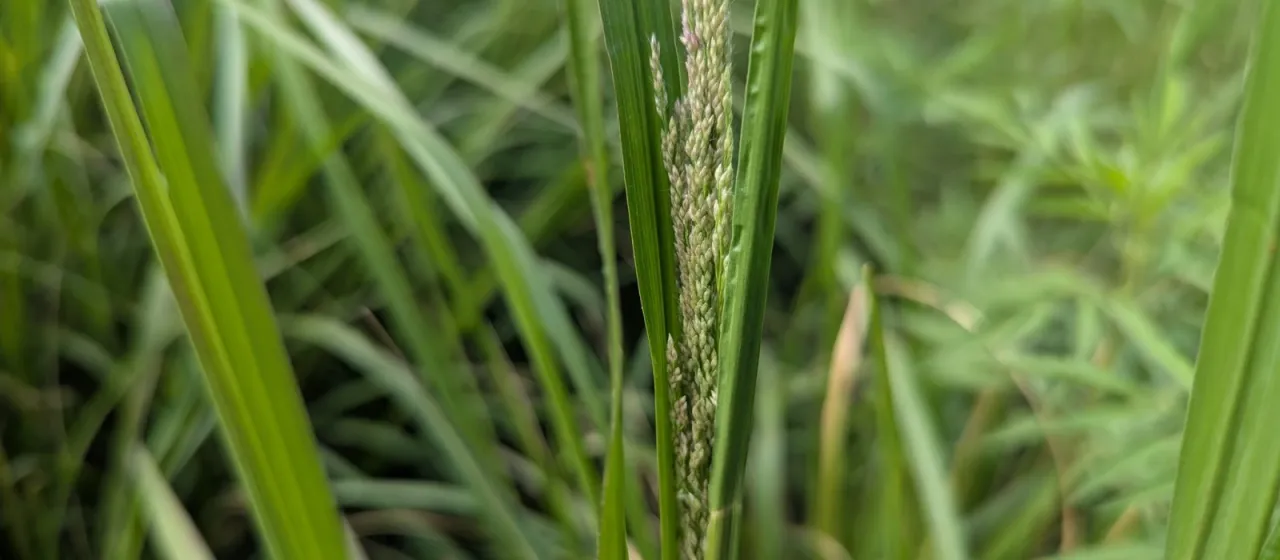
Botanically, the plant is characterized by a dense tufted growth habit and robust, upright culms. Its name, "condensum," refers to the tightly packed appearance of its inflorescences (panicles). The leaves are structurally adapted to support high rates of gas exchange and nutrient accumulation during the growth cycle.
Cultivation requirements for this species revolve around maintaining consistent soil moisture levels. While it adapts to various soil types, it performs optimally in rich, nutrient-dense environments. Agronomic management involves site selection near water sources, appropriate nitrogen fertilization to maximize foliage yield, and strategic grazing or harvesting intervals.
- High adaptation to wet sites
- Strong root system for soil stability
- Nutritional value as a fodder source
- Requires management of specific fungal pathogens
The primary economic use of Panicum condensum is as a forage source for livestock. It serves as an effective component in pasture systems, provided it is managed to prevent overgrazing. Common pests and diseases include various leaf-spotting fungi and stem-boring insects, which must be monitored through integrated pest management practices to ensure crop longevity.
Photo gallery