Description
Panicum decompositum, commonly known as native millet or Australian millet, is a perennial grass species belonging to the Poaceae family. This resilient plant is indigenous to the Australian continent and has evolved to thrive in some of the most arid and challenging environments on Earth, making it a subject of interest for sustainable agricultural research.
The native range of this species spans across the arid and semi-arid zones of Australia. It is well-adapted to environments where water availability is erratic and temperatures can be extreme. Because of its natural adaptation to these climates, the plant plays a crucial role in maintaining soil stability in natural ecosystems and providing consistent biomass for native fauna and livestock.
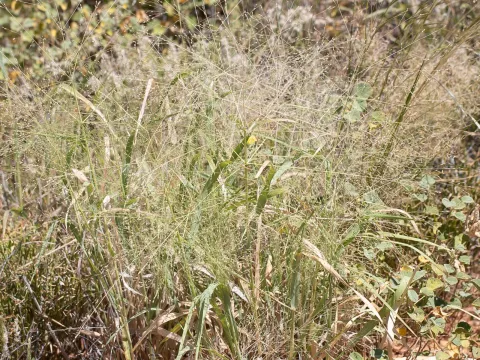
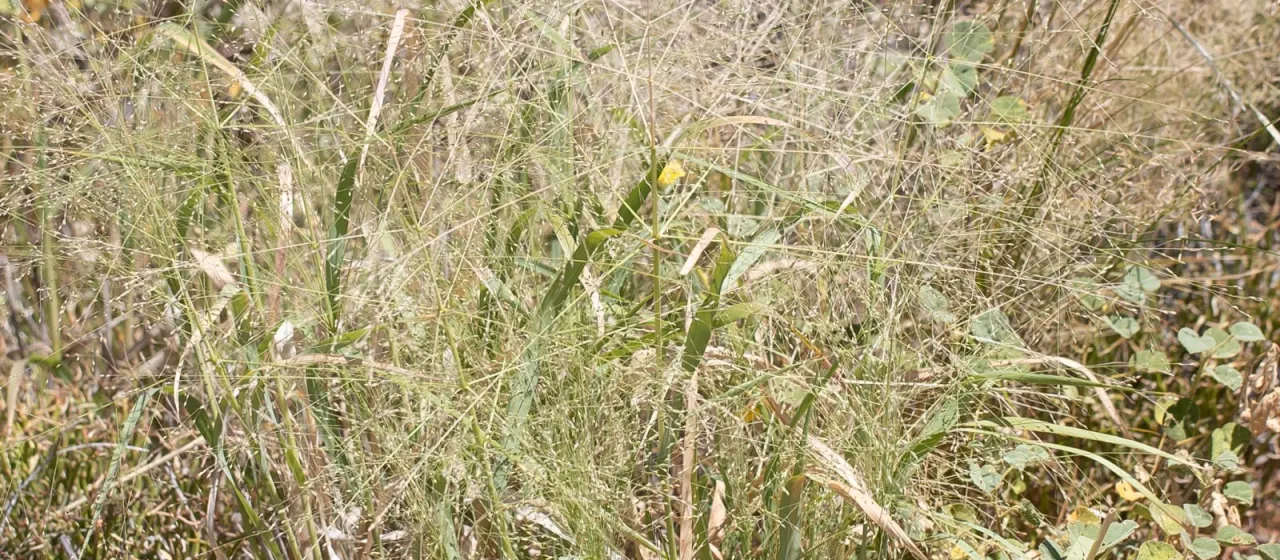
Botanically, the species is characterized by its tufted habit, growing up to 90 cm in height. Its most distinctive feature is the large, decompounded (highly branched) panicle, which gives the plant its scientific name. The foliage is typically glaucous, helping to reduce transpiration, and the plant is capable of rapid regrowth following rainfall events.
Regarding cultivation requirements, Panicum decompositum prefers well-drained, sandy or light-textured soils. It does not require intensive fertilization, as it is highly efficient at nutrient uptake in poorer soils. Agronomic management focus should remain on proper rotational grazing practices to ensure the long-term survival and regeneration of the stand after harvesting.
Economically, the plant is primarily recognized for its value as a high-quality forage grass. Historically, the seeds were harvested and ground into flour by Indigenous Australians, highlighting its potential as a drought-hardy grain crop. Common pests and diseases are generally minimal due to its evolutionary adaptation to the local environment, although occasional fungal leaf spots may appear under prolonged high-humidity conditions.
- Exceptional drought and heat tolerance.
- Well-suited for low-input agricultural systems.
- Highly palatable and nutritious for grazing livestock.
- Provides excellent ground cover for erosion control.
Photo gallery