Description
Hairy panic (Panicum effusum) is a perennial grass species belonging to the Poaceae family. It is a widely recognized native grass that plays a significant role in ecological restoration and sustainable forage production, particularly in its native habitats.
The origin and primary distribution range of this species is Australia. It is well-adapted to various environments, including open woodlands, grasslands, and disturbed areas. Its evolutionary history in arid and semi-arid regions has rendered it highly drought-tolerant, making it a robust component of the local vegetation.
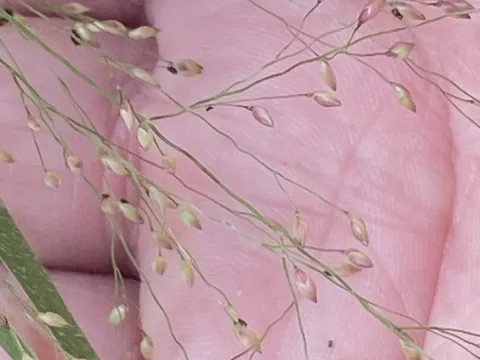
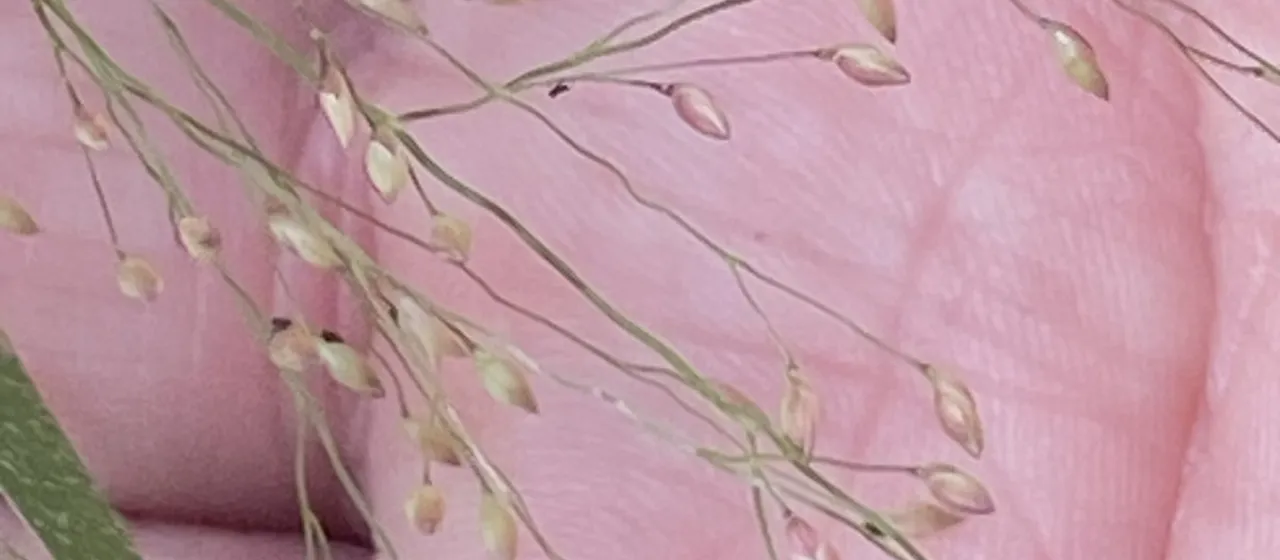
Botanically, Panicum effusum is defined by its tussock-forming growth habit. It features slender stems and distinct, spreading panicles that give the plant its characteristic look. The leaves are generally thin and may exhibit fine hairs, which is an adaptation to help the plant conserve water in high-temperature environments.
In terms of agricultural management, this grass requires well-drained soils and full exposure to sunlight. It is exceptionally tolerant of nutrient-poor soils, which makes it an ideal candidate for low-input pastoral systems. During establishment, it requires minimal intervention, provided that competition from invasive weeds is effectively managed during the early growth stages.
The primary agricultural use for Hairy panic is as a component of livestock forage. It provides reliable grazing material, especially during the peak growing season. Furthermore, its extensive root system makes it an excellent choice for soil stabilization projects, helping to mitigate the effects of soil erosion in degraded landscapes.
- Excellent tolerance to drought and heat stress.
- Low maintenance requirements in extensive grazing systems.
- High value for preventing wind and water erosion.
- Strong potential for biodiversity enhancement in pastures.
Photo gallery