Description
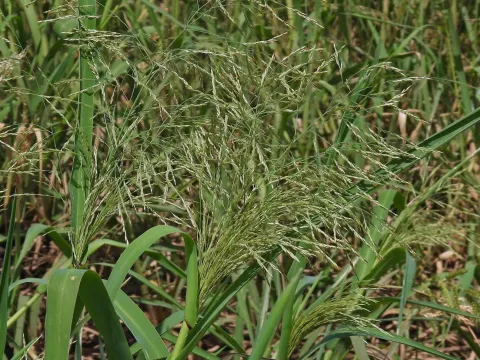
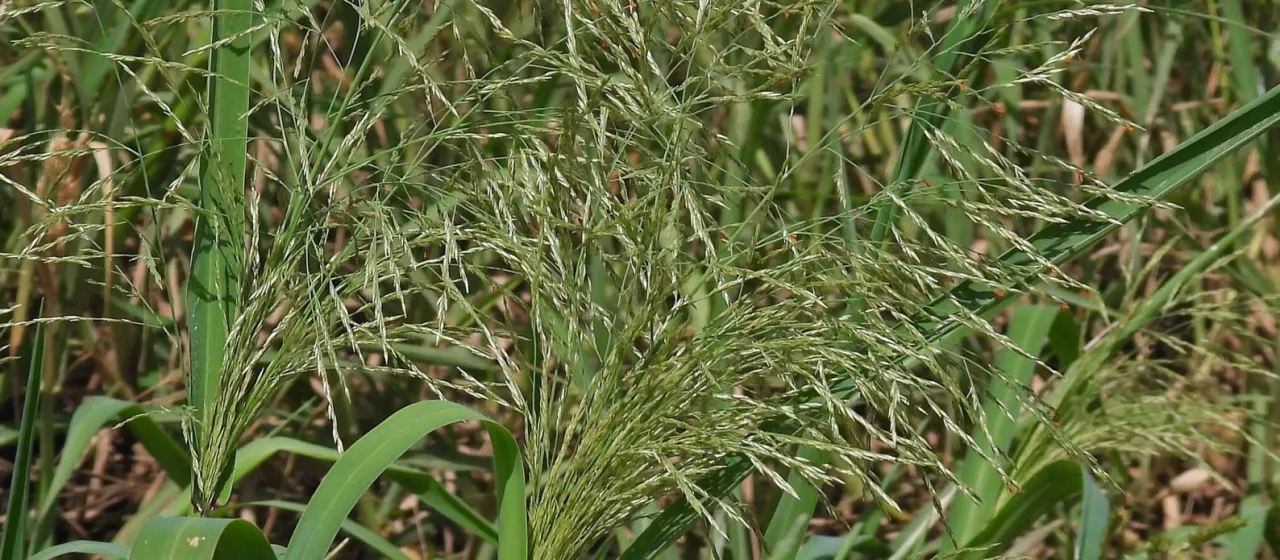
Panicum elephantipes is a perennial grass belonging to the Poaceae family. It is a specialized crop, highly valued for its unique ability to thrive in aquatic or semi-aquatic habitats, making it distinct from traditional upland cereal grasses.
The native range of this species is primarily centered in South America. It has evolved to inhabit low-lying landscapes, riverbanks, and marshy areas, where it plays a critical role in stabilizing soil and providing ground cover in saturated environments.
Botanically, the plant develops elongated, succulent stems and long leaves that are adapted to gas exchange in high-humidity conditions. Its root system is adventitious and robust, capable of anchoring the plant firmly in muddy or loosely structured waterlogged soils.
Regarding climate and agronomic requirements, this plant is strictly tropical. It demands a frost-free environment, substantial rainfall, and high levels of solar radiation to achieve maximum biomass production. Soil fertility should be monitored, as the plant responds vigorously to nitrogen and phosphorus applications in wet conditions.
The primary agricultural utility of Panicum elephantipes is as a forage source for livestock. It is often harvested for hay or used as a green fodder crop in tropical pasture systems. While generally hardy, farmers must monitor for fungal pathogens that thrive in humid environments and potential pests that target succulent stem tissue.
- Exceptional tolerance to periodic flooding
- High biomass production rate in tropical climates
- Excellent vegetative propagation capabilities
- Nutritional value suitable for cattle forage
Photo gallery