Description
Panicum glabrifolium is an annual herbaceous plant belonging to the Poaceae family. This species is part of the diverse Panicum genus, known for its adaptability to various environmental conditions. Its name indicates the absence of significant pubescence on its vegetative parts, which is a key diagnostic feature.
Originally found in tropical and subtropical climates, this grass has spread to various regions where it is utilized for forage and soil stabilization. Its distribution is typically linked to areas with long growing seasons and sufficient insolation to support its physiological needs.
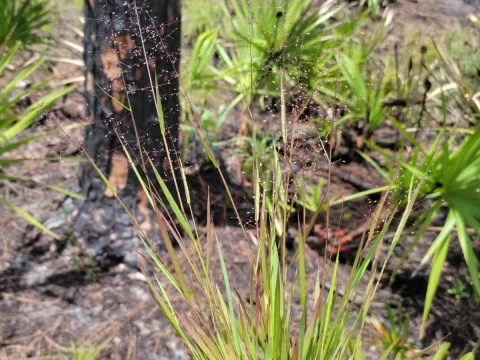
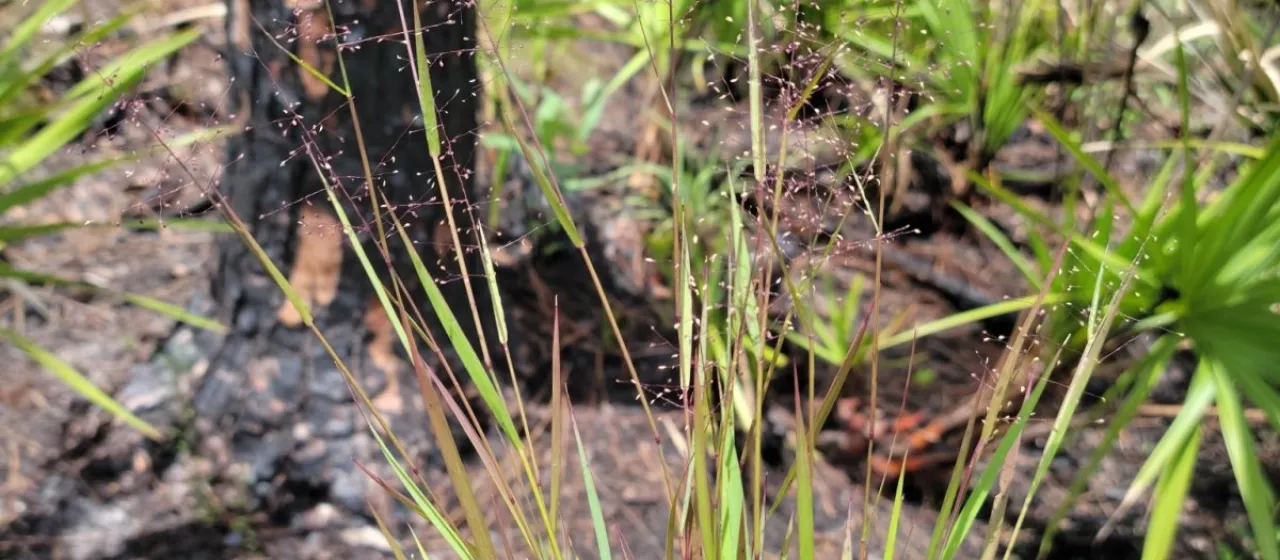
Botanically, the plant is characterized by erect stems and linear leaves. The inflorescence is a spreading panicle with numerous spikelets. The root system is fibrous and dense, which allows the plant to anchor effectively in soil and extract nutrients efficiently even in poor substrate conditions.
When it comes to cultivation requirements, this grass prefers well-drained soils and high thermal regimes. It does not tolerate prolonged waterlogging. Proper seedbed preparation and weed control during the early stages of development are critical for achieving high biomass yields per hectare.
The primary economic use is as forage for livestock, providing essential nutrients during the growing season. Like other members of the genus, it can be susceptible to common cereal pathogens such as rusts and smuts. Pests such as aphids and various larvae often target the foliage and panicles, necessitating integrated pest management strategies.
Photo gallery