Description
Maiden cane (Latin: Panicum hemitomon) is a perennial grass species belonging to the Poaceae family. This plant is a dedicated hydrophyte, highly adapted to saturated soil conditions and seasonal flooding. It is recognized as a dominant species in many wetland ecosystems throughout its native range.
The origin of Panicum hemitomon is traced to the southeastern United States, where it thrives in coastal marshes, floodplains, and the edges of ponds. Its natural distribution is largely defined by its preference for hydric soils and high water tables. The plant is exceptionally well-suited for regions with significant water retention and humid environments.
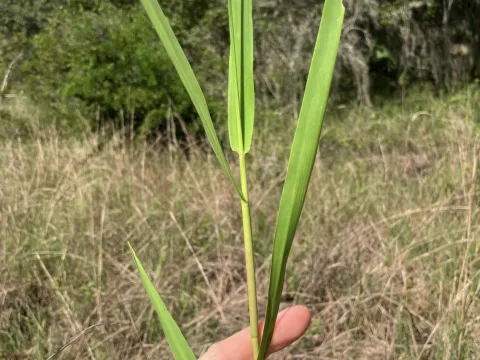
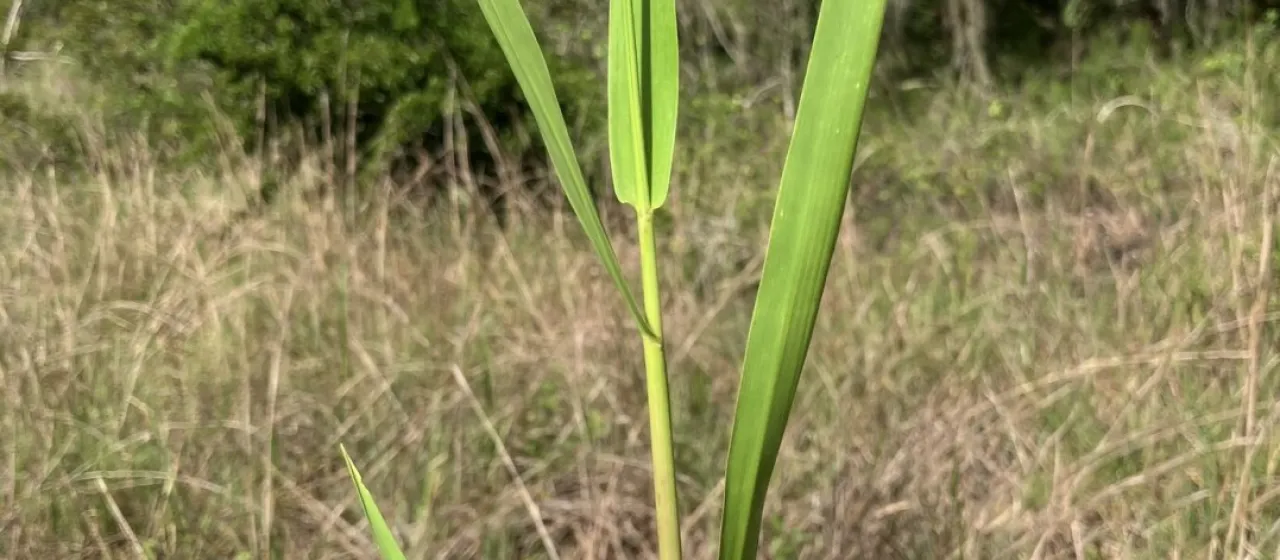
Botanically, Maiden cane features a robust system of rhizomes that facilitate rapid clonal spread. The culms, or stems, grow to heights of 60 to 120 cm, often forming dense, uniform stands. The leaves are flat, lanceolate, and relatively tough, providing structural integrity. Its inflorescence is a narrow, spike-like panicle, producing seeds that contribute to its dispersal alongside its vigorous rhizomatous growth.
Regarding cultivation, Panicum hemitomon requires acidic, saturated soils, often sandy or organic in composition. It demonstrates minimal requirements for fertilizers due to its evolutionary adaptation to nutrient-poor wetland substrates. The plant is highly resilient to inundation, making it a preferred choice for sites where other agricultural crops fail to survive due to excessive moisture.
- High tolerance for anaerobic soil conditions.
- Excellent potential for erosion control and shoreline stabilization.
- Nutritious forage value for livestock in managed wetland pastures.
- Aggressive rhizomatous propagation.
Economically, Maiden cane is utilized for soil stabilization, watershed restoration, and as a specialized forage resource. Farmers manage this crop to prevent erosion along banks and to maximize productivity on land that is unsuitable for traditional agriculture. Common threats include fungal diseases such as leaf blight, which may develop during periods of high humidity and poor ventilation, as well as damage from specific wetland insect populations.
Photo gallery