Description
Heterostachyum panicgrass (Panicum heterostachyum) is a botanical member of the Poaceae family. As a distinct species within the Panicum genus, it plays a specific role in local ecosystems and has potential applications in agricultural forage management. It is recognized for its adaptive growth patterns and its capacity to thrive in diverse environmental conditions.
The origin of this species is primarily linked to the warm, tropical and subtropical zones of the Americas. Its natural range encompasses grasslands and disturbed habitats, where it has evolved to utilize fluctuating water availability effectively. This history of adaptation makes it a robust candidate for cultivation in similar climates where traditional fodder grasses might struggle.
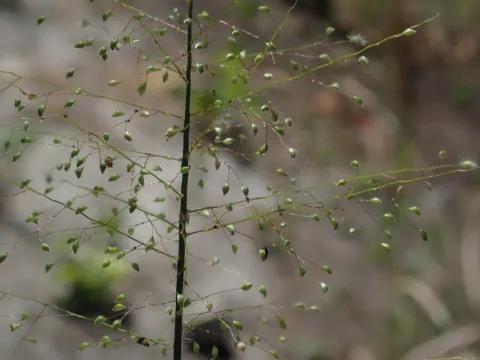
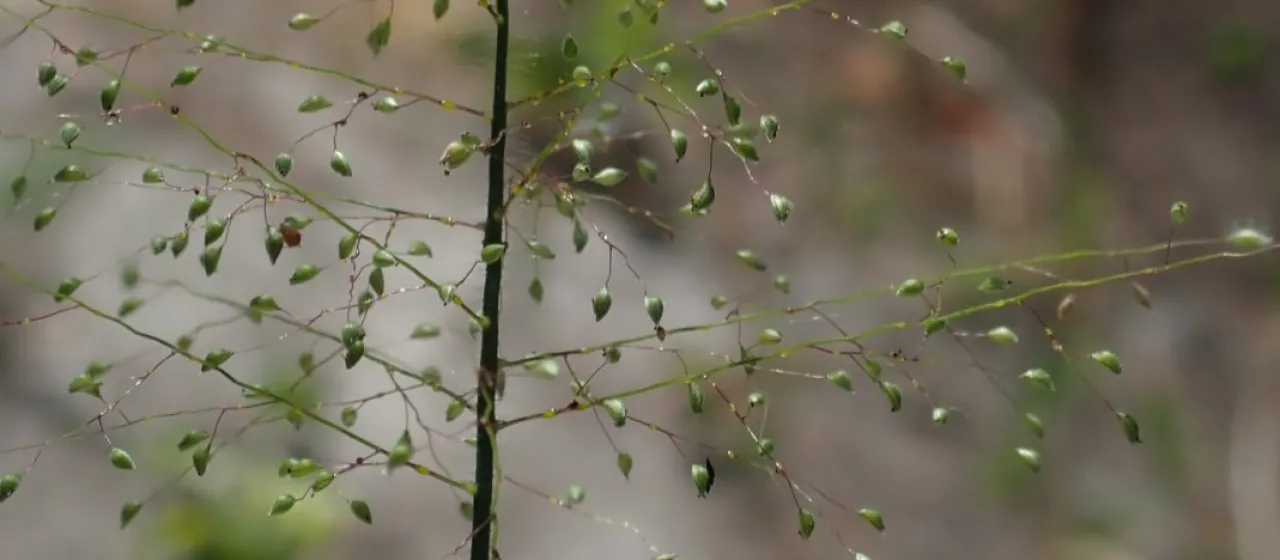
Botanically, the plant is characterized by its fibrous root system and upright, jointed stems. The leaves are typically linear and possess a distinct texture that serves as a deterrent to certain herbivores and a shield against high evaporation rates. The inflorescence, a panicle, displays varying spikelet development, which is a hallmark of the species' biological diversity.
Cultivation requirements for Panicum heterostachyum focus on soil quality and temperature regulation. It thrives in well-drained, fertile soils, though it shows some tolerance for less optimal soil textures if nitrogen levels are maintained. Agronomic practices should include row planting to facilitate weeding and the implementation of a nutrient management plan to maximize green matter production.
The primary agricultural utility of this plant lies in its use as forage for livestock. It can be harvested for hay or used as pasture, offering a balanced nutritional profile. Successful production requires vigilance against common threats:
- Fungal pathogens that thrive in high humidity conditions.
- Stem-boring insects that affect biomass yield.
- Competitive weed pressure during the seedling establishment phase.
Photo gallery