Description
Panicum hirticaule, commonly known as bristle-stemmed panicgrass, is an annual grass species belonging to the Poaceae family. This plant is recognized for its notable hardiness and ability to thrive in environments where water availability is limited, making it a subject of interest for sustainable agricultural practices.
The native range of this species is centered in the Americas, particularly within Mexico and the southwestern regions of the United States. It typically inhabits dry open grasslands, canyons, and disturbed areas. Its natural distribution demonstrates an evolutionary adaptation to arid and semi-arid climates, allowing it to compete successfully in hostile conditions.
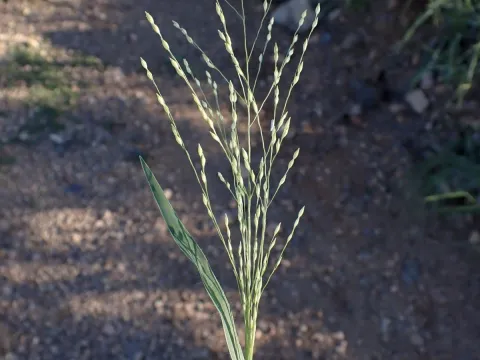
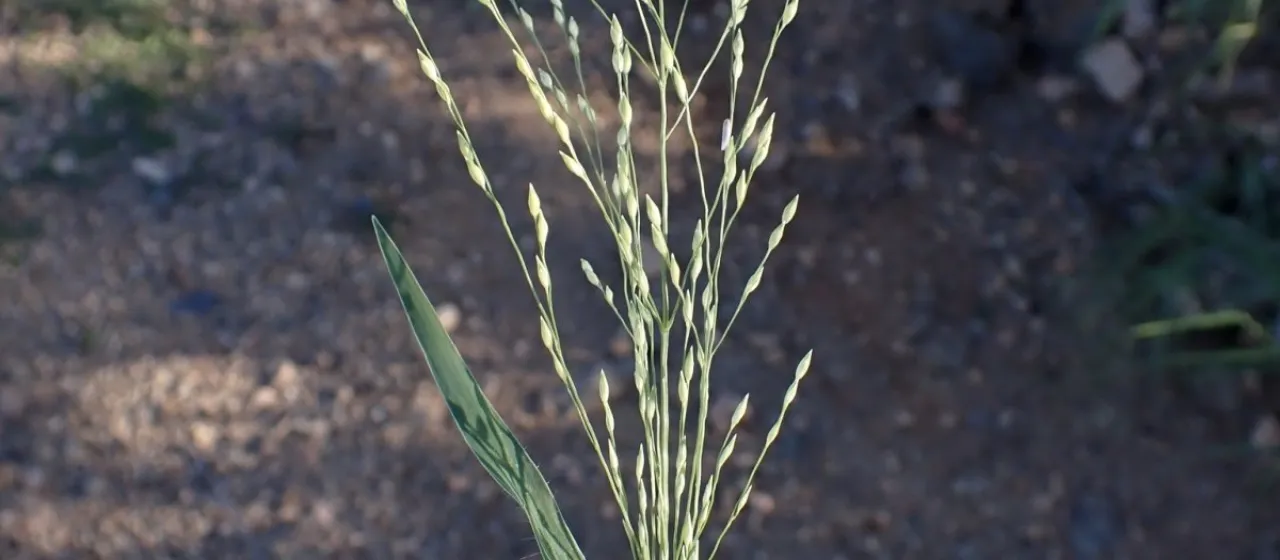
Botanically, the plant is characterized by its slender, erect or spreading stems that often display dense, stiff hairs, which serve as a protective mechanism. The inflorescence is a delicate, open panicle that matures into small, hardy seeds. The root system is relatively shallow but highly efficient at moisture uptake during short, intense rainy seasons.
Cultivation requirements for Panicum hirticaule include well-drained, porous soils, such as sandy loams or rocky substrates. It prefers full sun exposure and is highly sensitive to waterlogged soil conditions. Agronomic management involves minimal irrigation, focusing on providing sufficient moisture only during the germination stage to ensure successful establishment of the crop.
In terms of agricultural utility, this grass is primarily valued as a forage source for livestock in arid zones. Beyond animal feed, it serves a critical role in soil conservation, as its root structure helps stabilize sandy soils prone to wind erosion. Common plant health issues include susceptibility to specific rust fungi under humid conditions and attacks by common cereal aphids, which are managed through careful monitoring and field hygiene.
Photo gallery