Description
Leiberg's panic grass (Panicum leibergii), often classified as Dichanthelium leibergii in modern botanical nomenclature, is a perennial grass species within the Poaceae family. Native to the tallgrass prairies of North America, this plant is recognized for its ecological importance and potential as a forage species in grassland agriculture.
The historical range of this species covers the central and northern regions of the United States and parts of Canada. It thrives in diverse environments, from dry prairies to mesic meadows. Its ability to persist in native grasslands makes it a subject of interest for sustainable agricultural systems focused on utilizing native plant materials for livestock grazing and soil stabilization.
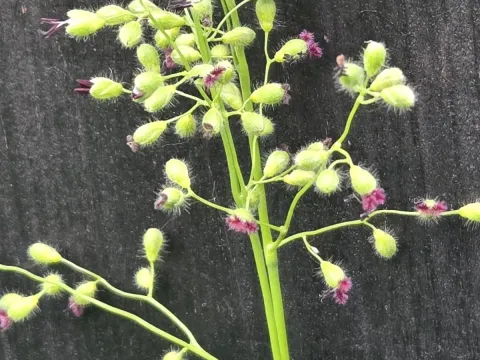
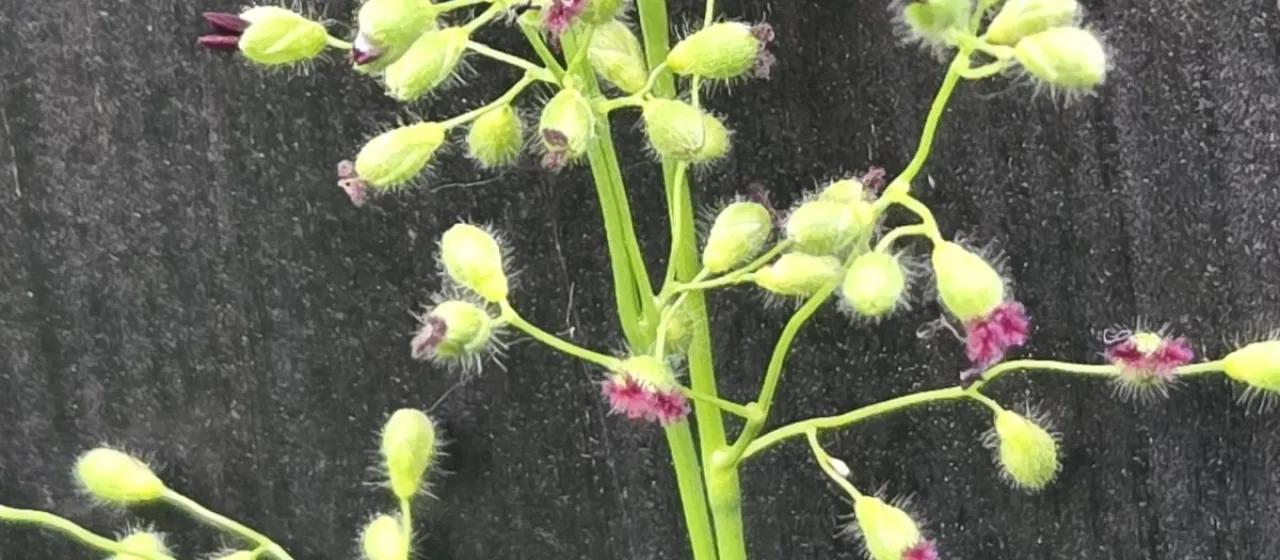
Botanically, this grass forms dense tufts, reaching heights of 30 to 80 centimeters. Its leaves are narrow, typically featuring fine hairs, and its inflorescence is an open, spreading panicle. The plant possesses a robust root system that helps it survive seasonal droughts, making it a reliable component of the prairie ecosystem even in years with unpredictable precipitation patterns.
For successful cultivation, Panicum leibergii requires well-drained, fertile soils with a neutral pH. It is best adapted to full-sun locations. When establishing a stand, it is essential to manage weed competition, particularly during the first year of growth when the seedlings are developing their root systems. Sustainable management involves rotational grazing, which prevents over-utilization and allows for natural regrowth of the biomass.
The primary agricultural use of Leiberg's panic grass is as a forage component. Livestock, particularly cattle, find it palatable during its active growth phases. Beyond its forage value, the species is highly regarded in conservation agronomy for erosion control and habitat restoration projects. It demonstrates notable resistance to many common fungal diseases that affect commercial cereal crops, contributing to its overall robustness.
- Excellent drought tolerance
- High nutritional value for herbivores
- Supports biodiversity in forage stands
- Resilient root architecture for soil health
Photo gallery