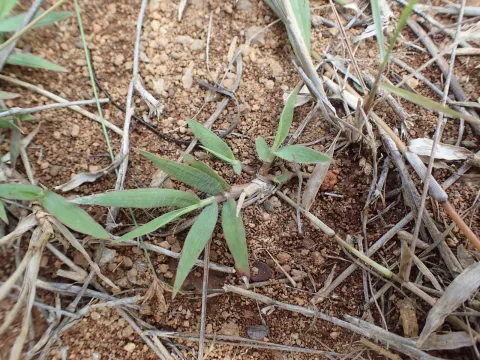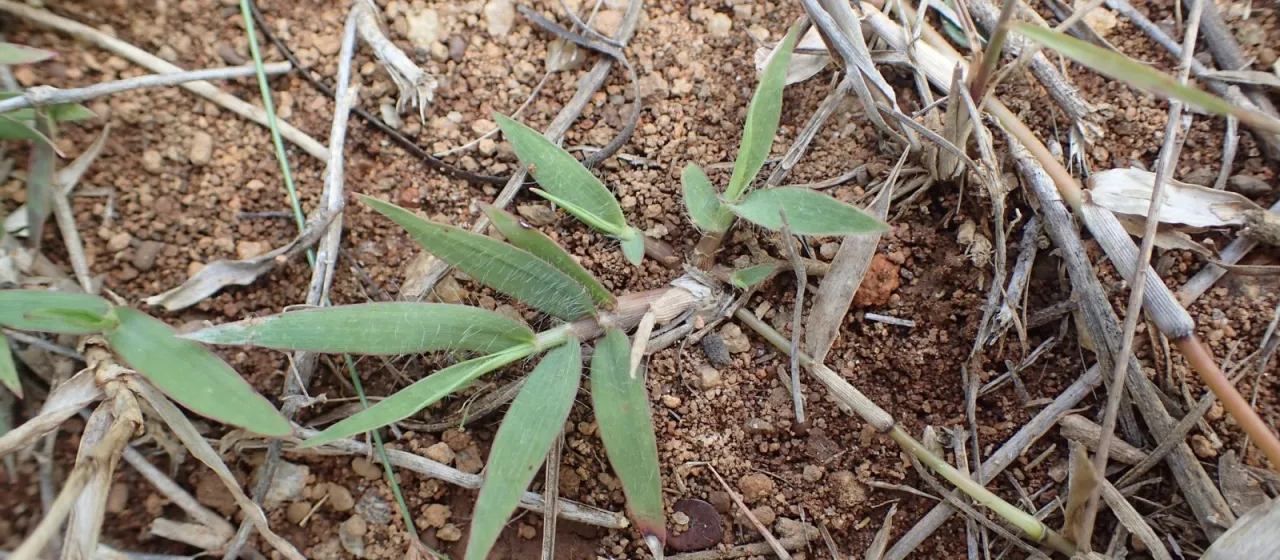
Description
Pale panicgrass (Latin: Panicum luridum) is a perennial or annual grass belonging to the Poaceae family. As a member of the diverse Panicum genus, it exhibits structural adaptations typical of grasses, making it a resilient plant capable of thriving in varied environmental conditions.
The species is primarily native to North American habitats, where it is found in diverse ecosystems such as wet meadows and riparian zones. Its distribution is closely linked to its ability to colonize moist, well-drained soils, reflecting its evolutionary adaptation to regional climatic patterns across its natural range.
Botanically, the plant is characterized by erect stems, narrow leaf blades, and a distinct panicle-type inflorescence. The root system is relatively deep and fibrous, allowing the grass to efficiently absorb nutrients and water. These biological traits contribute to its overall vigor and ability to stabilize soil surfaces effectively.
In terms of agronomy, Panicum luridum requires well-prepared seedbeds and appropriate moisture management to establish successfully. It performs best in soils with high organic matter content. Field management practices should focus on weed control during the early stages of growth and strategic fertilization to maximize the biomass yield for forage purposes.
The primary utility of this grass lies in forage production for livestock, as it offers reliable seasonal biomass. Furthermore, its role in conservation agriculture is significant due to its potential for soil erosion control. Growers should monitor for common grass diseases and pests, such as aphids or rust fungi, which may occur in dense or overly moist stands during the growing season.
Photo gallery