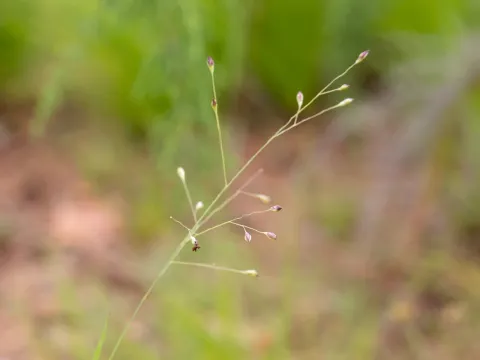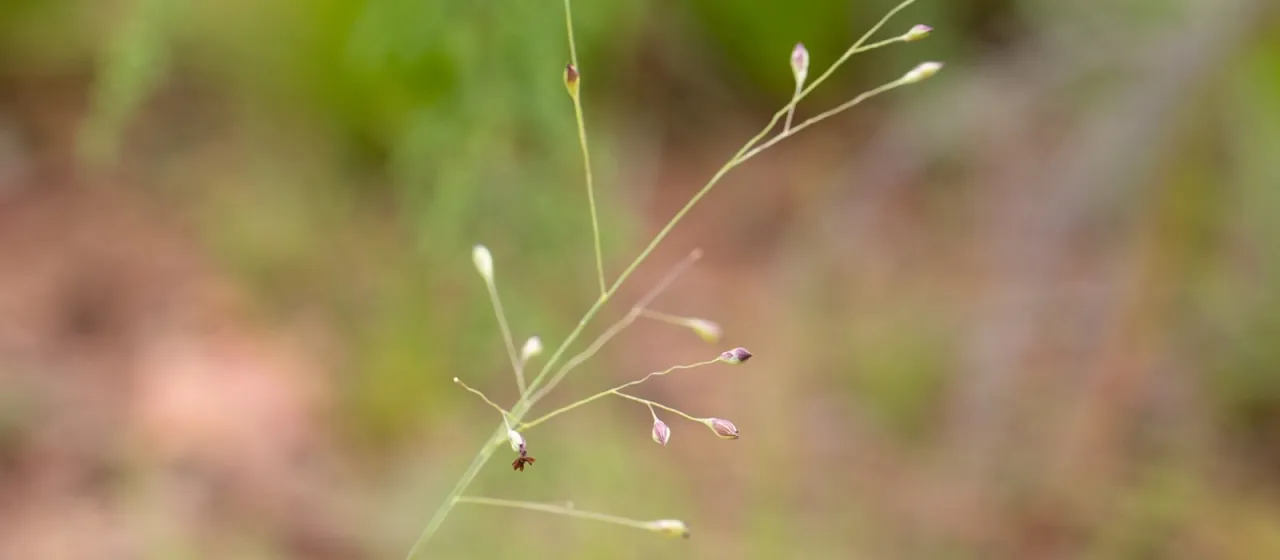
Description
Panicum majusculum is a perennial grass species belonging to the family Poaceae. Within agricultural contexts, this crop is recognized for its robust biomass production and its role as a potential forage source in tropical and subtropical regions where climatic conditions favor its development.
The plant originates from warm-climate zones, and its natural distribution is tied to regions with specific seasonal precipitation patterns. This adaptation allows the species to thrive in diverse soil environments, provided there is adequate moisture during the primary growth cycles throughout the year.
Botanically, the species is characterized by a deep and efficient root system, which contributes to soil stability and nutrient uptake. The stems are typically sturdy, supporting a large number of leaves, which are the main focus for forage harvesting, as they provide high-quality organic matter for livestock feed.
Cultivation requirements involve selecting well-drained soils and ensuring consistent soil fertility through standard fertilization practices. Managing the plant involves appropriate grazing or mowing schedules to promote regrowth and prevent the exhaustion of the plant's resources during the dry periods.
The primary economic use of Panicum majusculum is for pasture development and hay production. While productive, farmers should remain vigilant regarding specific agronomic challenges:
- Rust fungus outbreaks occurring in high-humidity conditions.
- Grasshopper and leaf-feeding insect damage.
- Intense weed competition during the seedling establishment phase.
- Nutrient loss if harvesting occurs after the seed-setting stage.
Photo gallery