Description
Philadelphia panicgrass (Latin: Panicum philadelphicum) is an annual grass species belonging to the Poaceae family. Known for its adaptability, this plant typically thrives in habitats ranging from open meadows to disturbed agricultural sites, showcasing significant resilience in various North American ecosystems.
The species is native to North America, widely distributed across the United States and parts of Canada. It prefers sandy or loamy soils and is frequently observed in sunny, open environments. Its geographical range confirms a preference for temperate climates, where it can complete its full life cycle during the frost-free season, producing abundant seeds.
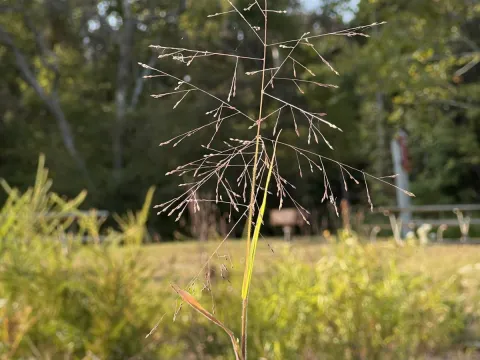
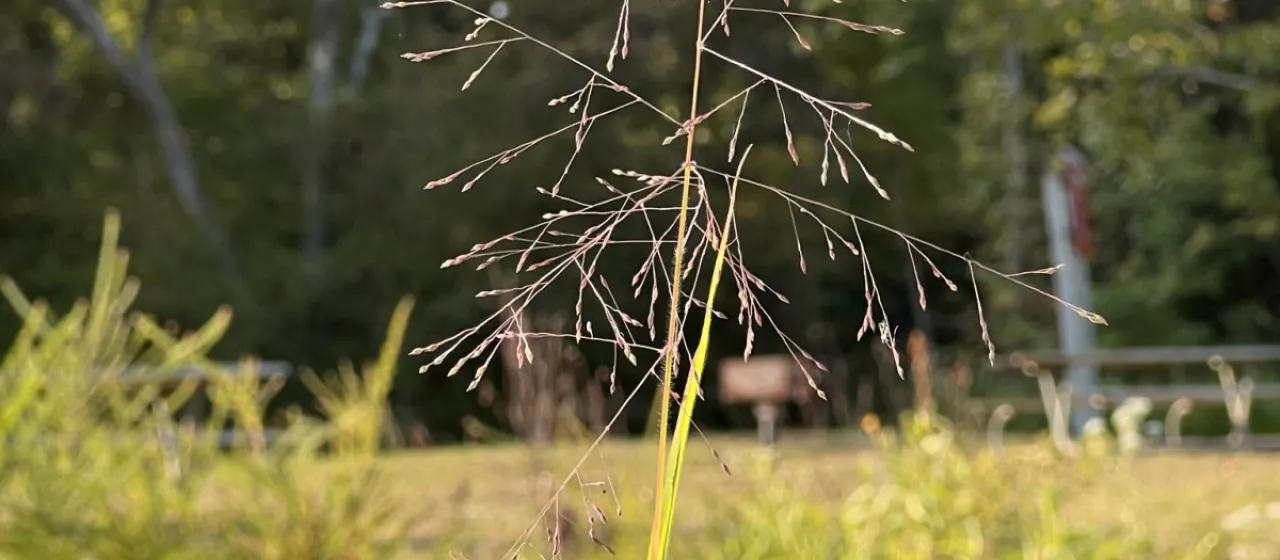
Botanically, the plant is characterized by slender, erect stems and an open, spreading panicle that contains numerous small, fertile seeds. The foliage is typically narrow and linear, common to many members of the Panicum genus. Due to its efficient seed dispersal mechanism, it maintains stable populations in regions where environmental conditions are favorable for germination and establishment.
In terms of agricultural requirements, Panicum philadelphicum performs best in well-drained soils with adequate exposure to direct sunlight. It is relatively undemanding in terms of nutrient input, though moisture management is critical during the initial stages of development. Farmers observing this species in pastures often note its vigor and competitive nature, which requires strategic management if it is not desired as a primary forage component.
From a utilization perspective, the plant is primarily regarded as a forage source for livestock. While not a primary cereal crop, its ability to produce significant biomass in nutrient-poor conditions makes it a subject of interest for sustainable agricultural systems and land reclamation projects. Its potential for genetic improvement in drought tolerance is also being evaluated by agricultural research institutions.
- Excellent adaptation to sandy, low-fertility soils.
- High reproductive output via seed production.
- Resilience to seasonal weather fluctuations.
- Potential role in soil stabilization and pasture improvement.
Photo gallery