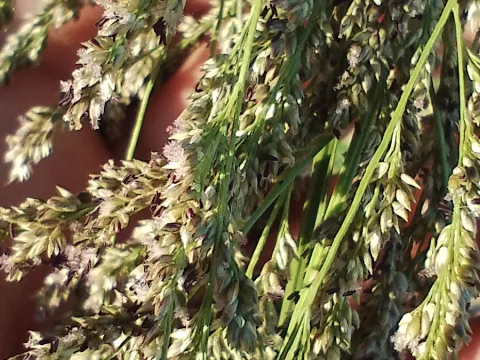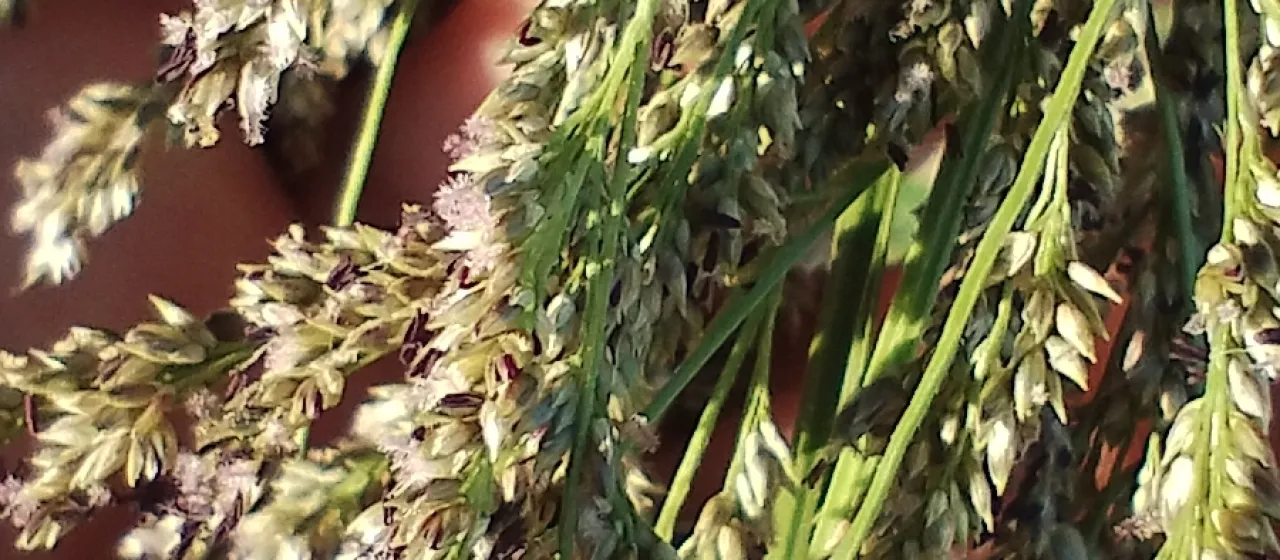
Description
Panicum prionitis is a perennial grass species belonging to the Poaceae (grass) family. This species is known for its robust growth habit and ability to form extensive, dense tufts, making it a significant plant in its native habitats and a subject of interest for agronomic study in tropical and subtropical agriculture.
The plant is native to South America, where it typically thrives in humid environments such as floodplains, riverbanks, and marshy areas. Due to its evolutionary adaptation to such conditions, it demonstrates high tolerance to waterlogged soils and seasonal flooding, distinguishing it from many other cultivated cereal or forage grasses.
Botanically, Panicum prionitis is characterized by tall, sturdy stems and coarse, narrow leaves. Its root system is deep and well-developed, providing excellent soil stability and allowing the plant to effectively regenerate after being harvested or grazed. This structural durability is a key trait that supports its resilience in diverse landscape conditions.
Regarding cultivation, the crop requires fertile soils with consistent moisture levels. Successful production depends on adequate nitrogen supply during the vegetative phase to maximize biomass output. While it thrives in warm temperatures, it is sensitive to severe frost, which limits its commercial cultivation to frost-free or mild-winter regions where the growing season is sufficiently long.
The economic potential of Panicum prionitis is categorized into several primary uses:
- Forage and grazing: providing substantial biomass for livestock in adapted environments.
- Bioenergy production: the high lignocellulosic content makes it a suitable candidate for biomass fuel.
- Soil conservation: its dense root network is highly effective in preventing soil erosion on unstable land.
Common phytosanitary concerns include fungal diseases that affect leaf tissues under high humidity and poor ventilation. Pest management typically focuses on controlling stem-boring insects that can significantly reduce biomass yields if left unmanaged. Integrated pest management (IPM) strategies, including field monitoring and timely harvesting, are essential for maintaining crop health and productivity.
Photo gallery