Description
Prolific panicgrass (Latin: Panicum prolutum) is a perennial grass belonging to the Poaceae family. It is recognized for its ecological significance in its native habitats and its potential as a specialized forage crop, particularly in arid and semi-arid environments where water availability is a limiting factor for agricultural production.
The native range of Panicum prolutum is concentrated in Australia, where it has evolved to thrive in diverse environmental conditions. It is frequently found in grasslands and open woodlands, exhibiting characteristics of a resilient species that can withstand prolonged dry spells by entering a state of partial dormancy.
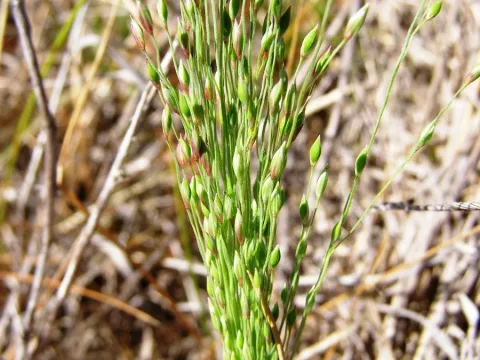
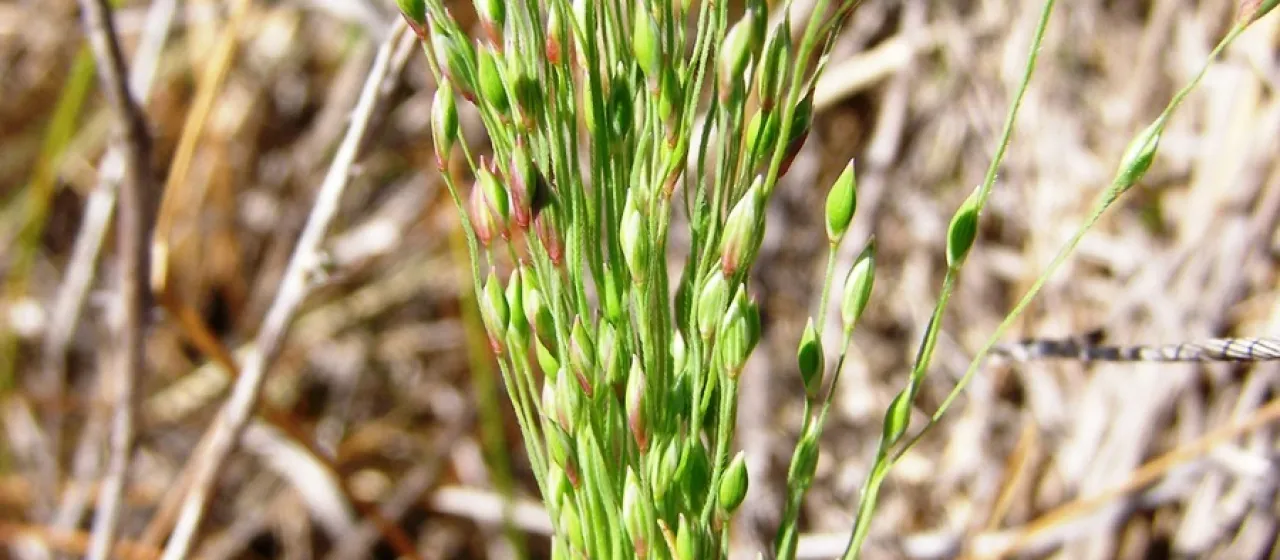
Botanically, this species is defined by its tussock-forming growth habit. It features narrow, elongated leaves and a branched, open panicle inflorescence. Its root system is exceptionally efficient at nutrient uptake and soil stabilization, which makes it an ideal candidate for erosion control initiatives in agricultural landscapes.
Regarding agrotechnical requirements, the crop favors well-drained soils and thrives under full sun exposure. While it is naturally hardy, supplemental irrigation during establishment can significantly increase yield. Effective management requires maintaining an optimal height during grazing to ensure sufficient photosynthetic leaf area for rapid recovery.
The primary economic uses of the plant include:
- Livestock grazing in extensive farming systems.
- Hay production when harvested at the pre-flowering stage.
- Revegetation of degraded range lands and erosion-prone slopes.
- Integration into sustainable pasture management programs.
Typical plant health issues involve fungal pathogens common in temperate to tropical grasses, often triggered by prolonged dew or high humidity. Monitoring for local leaf-eating insects is recommended, as significant defoliation can hinder the plant's ability to store reserves in the roots, potentially affecting seasonal regrowth cycles.
Photo gallery