Description
Rigid panicgrass (Latin Panicum rigidulum) is a perennial grass species belonging to the Poaceae family. This crop is noted in agricultural circles for its resilience and specific adaptation to moist environments, making it a valuable resource for areas unsuitable for standard grain production.
Originally native to the Americas, this species is naturally found in riparian zones, marshes, and damp meadows. Its wide distribution in these habitats reflects its evolutionary adaptation to waterlogged soils. In agricultural settings, it is often utilized to stabilize landscapes and provide biomass in regions where soil moisture levels are consistently high.
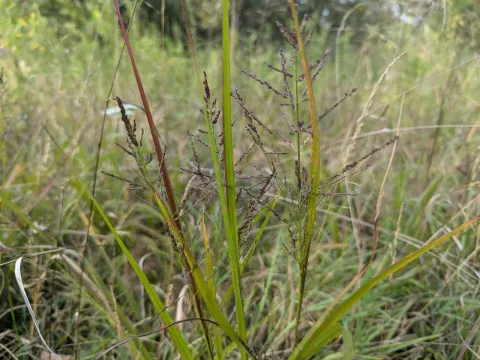
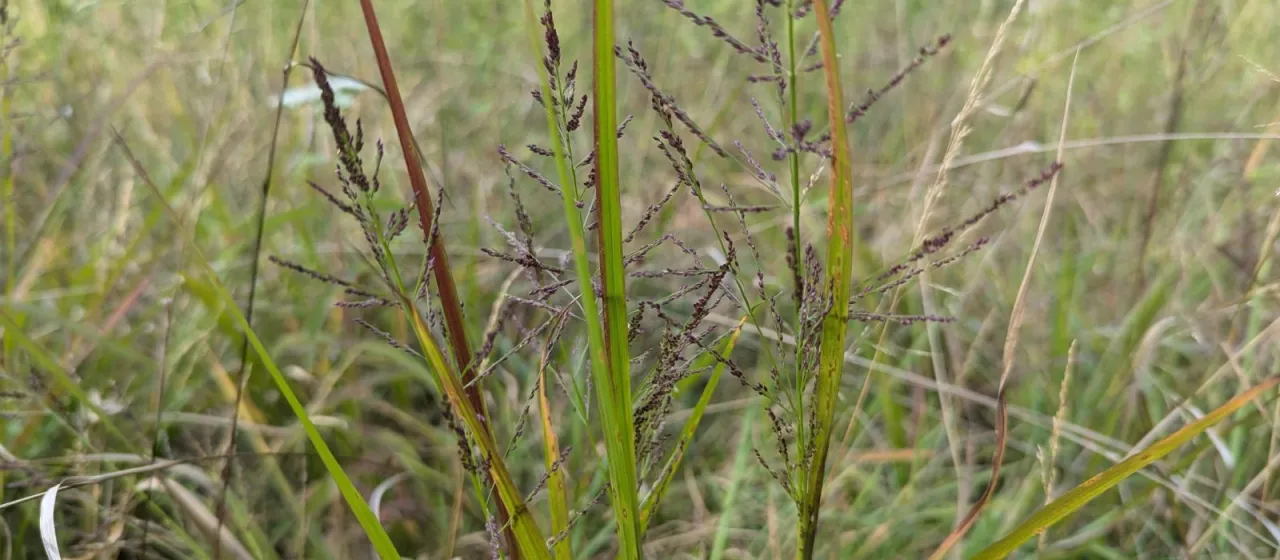
Botanically, Panicum rigidulum features sturdy, erect culms and rigid leaf blades, which provide the plant with significant physical durability. Its root system is dense and fibrous, contributing to soil stabilization. The inflorescence is a loose panicle that produces small, hardy seeds, facilitating natural dispersal and regeneration within established stands.
Regarding agrotechnics, the crop performs best in fertile, silty, or clay-loam soils that retain moisture throughout the growing season. While it is tolerant of low-oxygen soil conditions, productivity is significantly boosted by proper nutrient management, particularly nitrogen fertilization. Proper management of cutting schedules is essential to maintain the nutritional quality of the forage throughout the season.
The primary use of rigid panicgrass is in forage production, where it serves as grazing material or hay. Beyond animal husbandry, it plays a critical role in ecological land management, such as buffer strips along waterways, where its deep root system helps prevent erosion and filters runoff. Pests and diseases are generally minimal, although fungal issues may arise during prolonged periods of stagnant air and extreme humidity.
- Excellent tolerance for anaerobic soil conditions.
- Valuable for erosion control in wetlands.
- High biomass production potential in moist climates.
Photo gallery