Description
Creeping panic grass (Panicum sarmentosum) is a perennial grass species belonging to the family Poaceae. This plant is distinct due to its creeping stems that can root at the nodes, allowing it to spread rapidly across the ground and form a dense, resilient carpet that helps prevent soil erosion.
The native range of this species is primarily concentrated in the tropical and subtropical regions of Asia. It is well-adapted to warm, humid environments and is commonly found in tropical forests, open glades, and riparian zones where it receives adequate moisture and sunlight for optimal physiological growth.
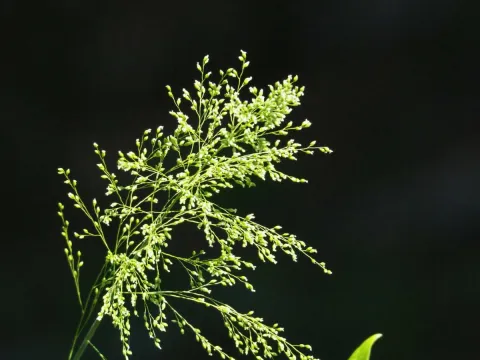
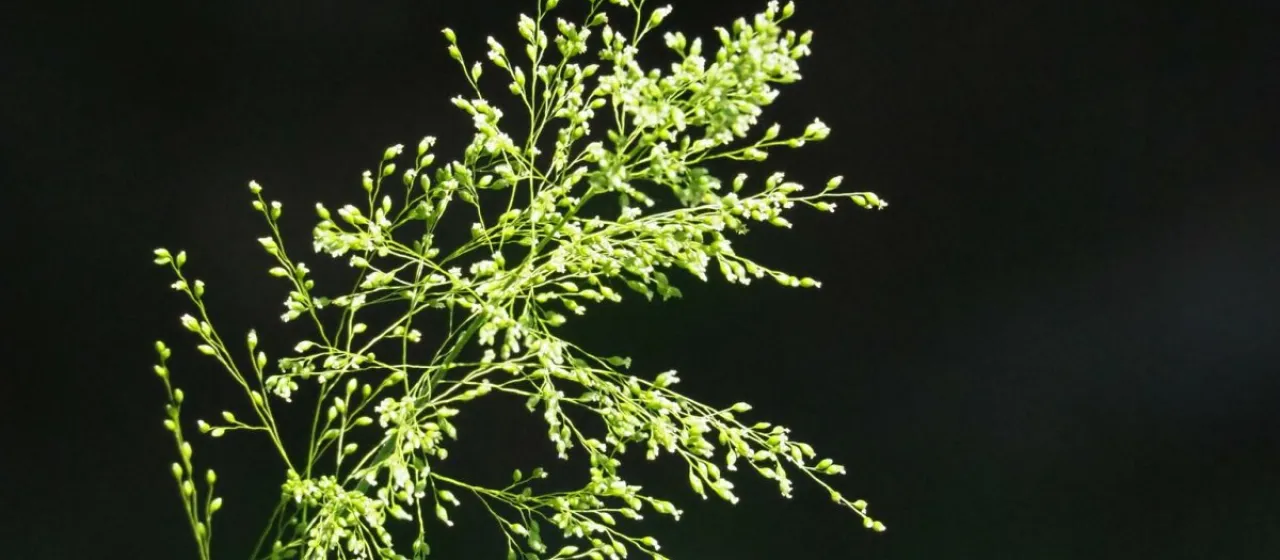
Botanically, the species is characterized by its stoloniferous habit, which allows for efficient vegetative propagation. The leaves are typically linear and sometimes scabrid, and the inflorescence is an open, spreading panicle. Its morphological structure makes it highly tolerant of grazing pressure and trampling, ensuring survival in diverse ecosystem conditions.
Regarding cultivation, Panicum sarmentosum requires fertile, well-draining soils with a high capacity to retain moisture. It thrives in hot climates and is susceptible to damage from frost. Agricultural management includes regular soil monitoring, nitrogen supplementation to encourage foliage production, and careful grazing management to maintain the health of the stoloniferous network.
The primary economic application of this grass is in the field of forage and pasture management for livestock. It provides a reliable source of green biomass, although quality depends on local climate conditions. The main threats include fungal diseases like leaf rust, which can be exacerbated by high humidity, and various grass-feeding insect pests common in tropical agriculture.
Photo gallery