Description
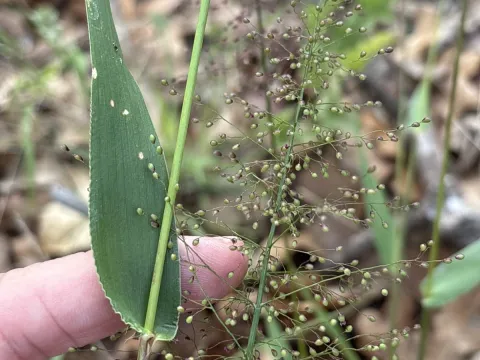
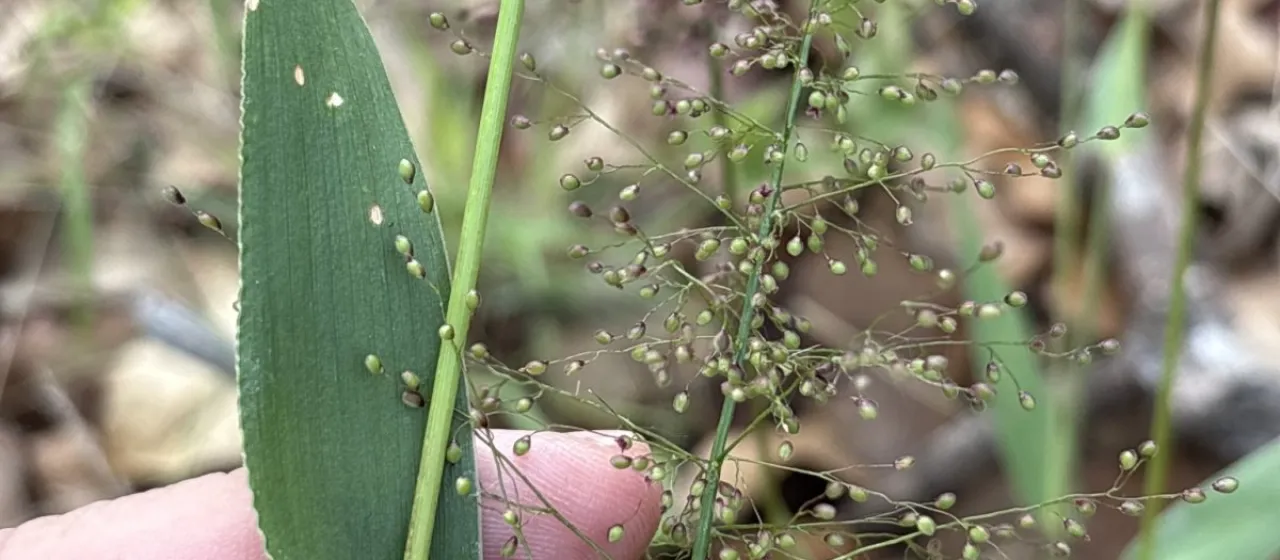
Roundseed panicgrass (Panicum sphaerocarpon) is a perennial or annual herbaceous plant belonging to the Poaceae family. This species is recognized for its distinctive spherical seeds and loose, spreading panicles. As a versatile grass, it plays an important role in various ecological and agricultural systems, providing reliable biomass in diverse environmental conditions.
The plant originates primarily from North and Central America, where it naturally thrives in prairie environments and grasslands. Due to its adaptability, it has been recognized by agronomists as a valuable crop for soil stabilization and livestock foraging. It is commonly found in regions where other forage grasses may struggle to establish, showcasing its competitive potential.
Botanically, Panicum sphaerocarpon is characterized by its upright culms that can reach nearly a meter in height. The foliage is linear and often smooth, while the root system is fibrous and deep-reaching, allowing the plant to extract moisture and nutrients efficiently. The round, small grains provide a significant source of energy for birds and small wildlife in addition to its agricultural value.
Agronomic requirements are relatively straightforward, focusing on adequate sunlight and well-draining soil. The plant responds well to moderate nitrogen fertilization. Proper management of field density is essential to ensure maximum yield, as the plants need space to develop their extensive root systems and large panicles. Sowing should occur once the risk of frost has passed to ensure optimal germination rates.
Its primary economic use is in forage production, where it is utilized for grazing or as harvested hay. It is also highly effective in erosion control programs due to its robust root structure. Typical challenges include fungal diseases such as leaf rust and infestations by specific grass-feeding insects, which are managed through integrated pest management (IPM) practices and sound field rotation strategies.
Photo gallery