Description
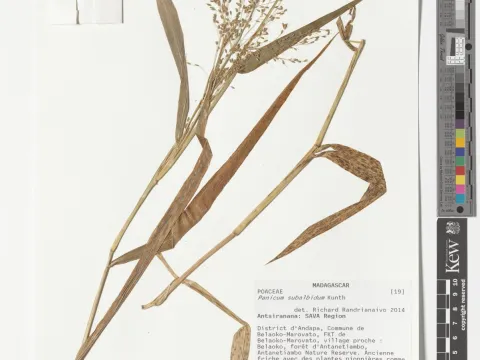
White panicum (Latin: Panicum subalbidum) is a perennial grass species belonging to the family Poaceae. As a member of the diverse Panicum genus, this plant is recognized for its robust growth habits and its significant ecological role in grassland ecosystems within tropical and subtropical regions across the globe.
The native distribution of Panicum subalbidum primarily centers on parts of South America and Africa. This species has evolved to thrive in a variety of environments, ranging from well-drained savannas to seasonally inundated floodplains. Its ability to tolerate varying soil moisture levels makes it a resilient plant species for pastoral management in diverse climatic zones.
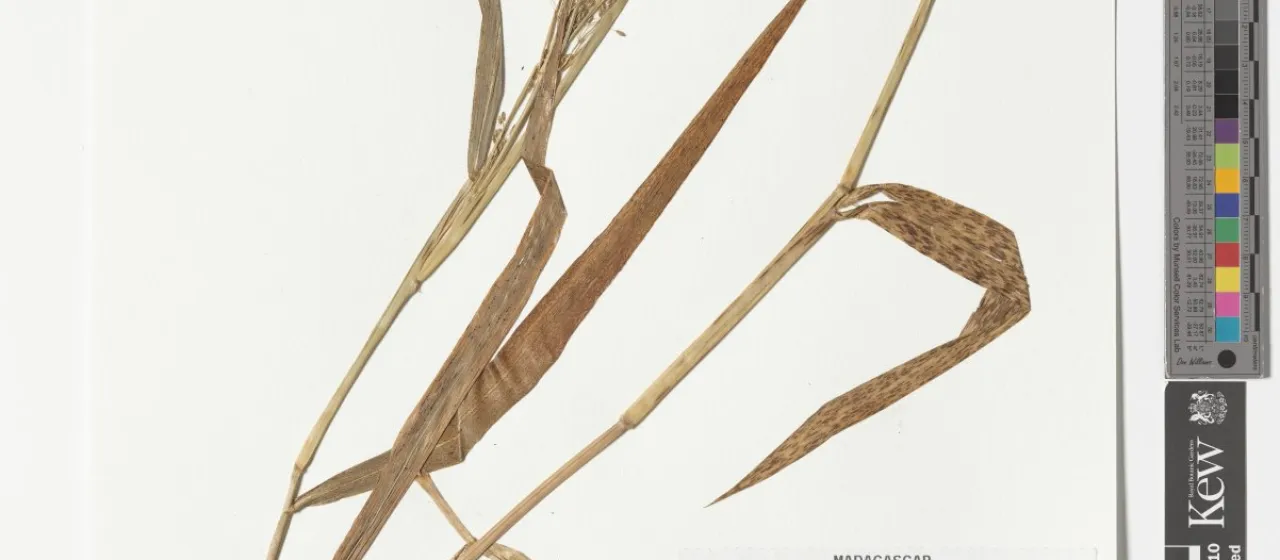
From a botanical standpoint, this grass is characterized by its extensive root system, which helps in soil stabilization and nutrient absorption. The stems are typically erect or slightly spreading, supporting narrow, lanceolate leaves. The inflorescence is a characteristically open, branched panicle that allows for effective wind-aided pollination and seed dispersal.
In terms of agricultural requirements, Panicum subalbidum performs optimally in warm temperatures with adequate exposure to sunlight. It is relatively undemanding regarding soil texture, though it thrives best on fertile, moist soils. Proper agrotechnical management includes timely weed control during the seedling stage and strategic nitrogen fertilization to maximize the production of vegetative biomass.
The primary economic value of this crop lies in its utilization as a high-quality forage source for livestock. It is frequently utilized in grazing systems, as it recovers well after defoliation. Furthermore, it provides substantial biomass that can be harvested for hay or silage, offering a reliable feed source for cattle and other herbivores, especially during dry seasons when other forage sources may be scarce.
- Excellent adaptation to periodically waterlogged conditions.
- High biomass production potential in tropical climates.
- Strong capacity for regrowth after harvesting or grazing.
- Low incidence of major pests compared to commercial cereal crops.
Photo gallery