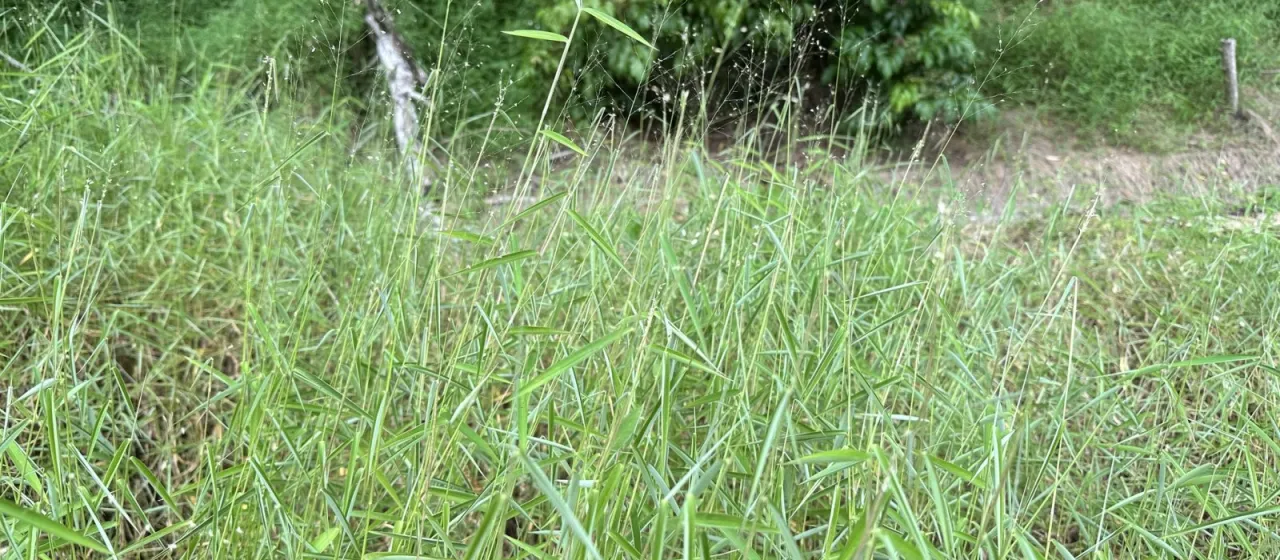
Description
Panicum trichocladum is a perennial grass species belonging to the Poaceae family. Recognized in agricultural circles for its resilience, it serves as a valuable forage crop, particularly in tropical and subtropical regions where pasture management is critical for livestock sustainability.
The native habitat of this plant encompasses Eastern and Southern Africa, where it thrives in savanna environments. Due to its natural evolutionary adaptation to these habitats, the species exhibits excellent tolerance to heat stress and irregular rainfall, making it an ideal candidate for cultivation in arid climates.
Botanically, the plant is characterized by a dense tufted growth habit and pubescent leaves that help reduce transpiration. The root system is robust, allowing the plant to reach deep soil moisture. Its inflorescence is a spreading panicle that produces viable seeds, facilitating both natural regeneration and controlled cultivation.
Agrotechnical requirements for Panicum trichocladum focus on well-drained soils and full sun exposure. While highly drought-resistant, the plant performs best when managed with strategic nitrogen applications during the rainy season. It is remarkably resilient to grazing pressure, provided that rotational grazing practices are implemented to allow for recovery.
Primary use is as high-quality forage for ruminants, offering good nutritional value. Typical threats include fungal diseases such as rust if air circulation is poor, and occasional infestations by aphids or lepidopteran larvae. Proper crop management, including clean seed selection and balanced fertilizing, mitigates most production risks.
Photo gallery