Description
Warty panicgrass (Latin Panicum verrucosum) is an annual herbaceous plant belonging to the Poaceae (grass) family. This species is a unique member of the Panicum genus, known for its distinct surface morphology and specific environmental adaptations that distinguish it from the more commonly cultivated cereal millets.
Originating from North America, this species is native to the eastern and southern United States. Its natural habitat includes sandy shores of ponds, wet depressions, and marsh edges. Because of its preference for moist, sandy, and open environments, it thrives in coastal or riparian ecosystems rather than standard agricultural fields.
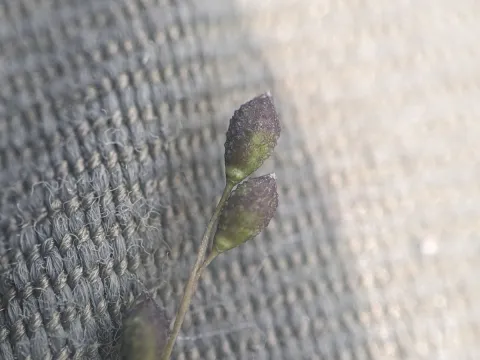
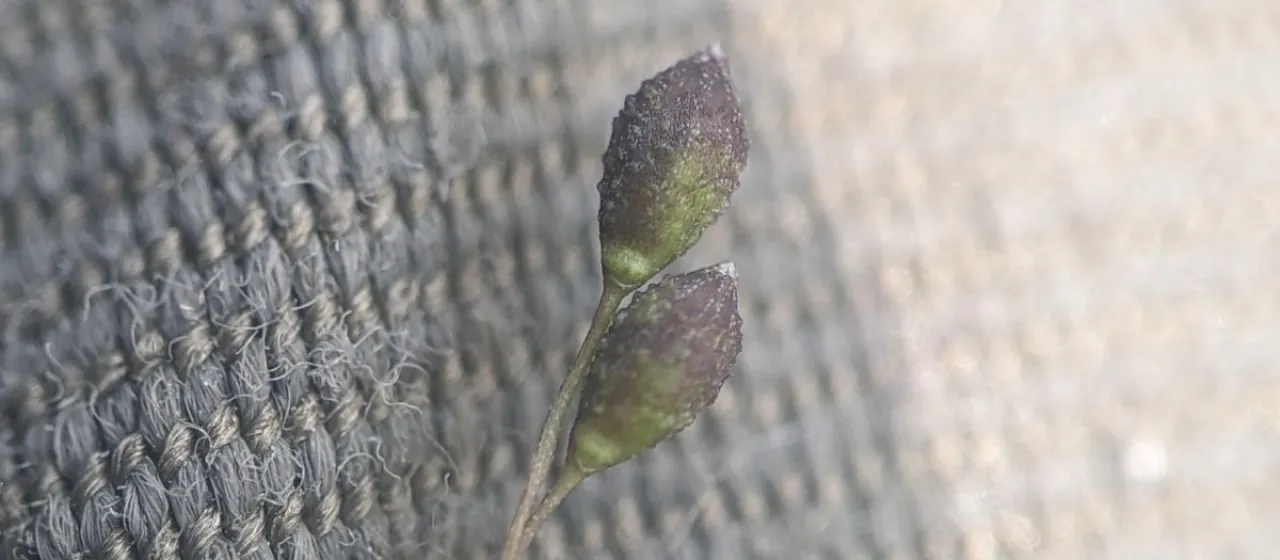
The botanical characteristics of this plant include delicate, often decumbent stems that grow to heights of 30 to 60 centimeters. The leaves are narrow and linear, while the inflorescence is an open, spreading panicle. The distinctive common name and Latin epithet verrucosum are derived from the small, wart-like projections found on the surface of its spikelets.
Regarding cultivation requirements, the species demands high soil moisture and sandy, nutrient-poor, or acidic substrates. It is not traditionally farmed for grain production but acts as a component of native vegetation in wet prairies. Management in a naturalized setting requires maintaining high water tables and avoiding competition from more aggressive, invasive grass species.
Key biological and agricultural points:
- Preference for sandy, water-saturated soils.
- Short life cycle adapted to seasonal moisture availability.
- Low competition tolerance in disturbed environments.
- Scientific value as a reservoir of specialized genetic traits.
Typical diseases affecting this plant include rust fungi and common leaf spot pathogens prevalent among wild Poaceae. Pests may include various aphids and lepidopteran larvae that specialize in grasses. As a wild-occurring species, it lacks the commercial protection measures applied to conventional crops, relying instead on its natural ecological resilience.
Photo gallery