Description
Panzerina lanata is a herbaceous perennial plant belonging to the Lamiaceae family. Historically associated with the Leonurus genus, it has been reclassified into its own genus based on specific morphological and biochemical characteristics. It is highly valued as a medicinal plant, particularly in regions where traditional crop farming is constrained by arid conditions.
The native range of this plant includes the arid steppe and semi-desert regions of Central Asia and parts of the Altai Mountains. Panzerina lanata is evolutionary adapted to survive under harsh ecological conditions, including high solar radiation, significant diurnal temperature shifts, and irregular precipitation patterns, making it a robust candidate for specialty crop production.
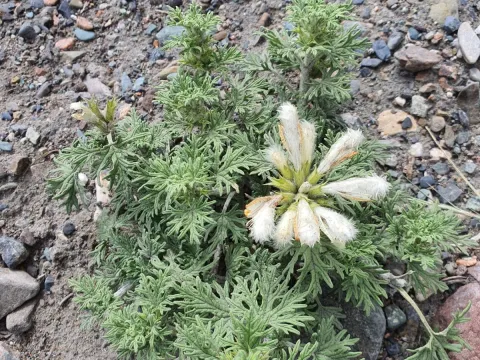
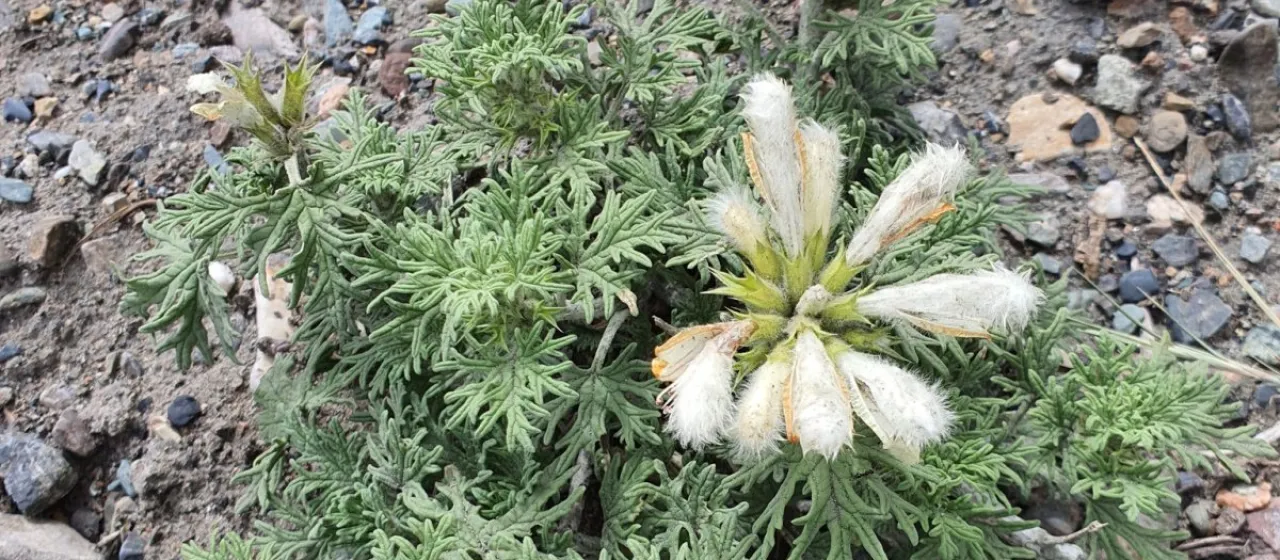
The plant is characterized by a dense layer of trichomes (hairs) covering the stems and leaves, providing a silvery-white appearance. This adaptation serves as a defense against dehydration. The leaves are palmately divided, and the flowers are typically arranged in whorls, which is a common trait among members of the mint family. The plant usually grows to a height of 30–60 cm.
Cultivation requires well-drained, sandy or loamy soils. The species is highly sensitive to root rot, necessitating strict control over irrigation and avoiding waterlogged areas. Planting should be done in open fields with full sun exposure. Minimal fertilization is typically sufficient, though phosphorus supplements can enhance root development and chemical yield during the maturation stage.
The primary use of Panzerina lanata is in the pharmaceutical industry. Its biomass is harvested for the extraction of bioactive compounds, such as iridoid glycosides and flavonoids, which are utilized for their sedative and antihypertensive properties. Agronomically, the crop management must prioritize preserving the chemical integrity of the plant during the drying and processing phases after harvest.
- Excellent drought tolerance
- Pharmaceutical potential
- Adaptability to infertile soils
- Low maintenance requirements
Photo gallery