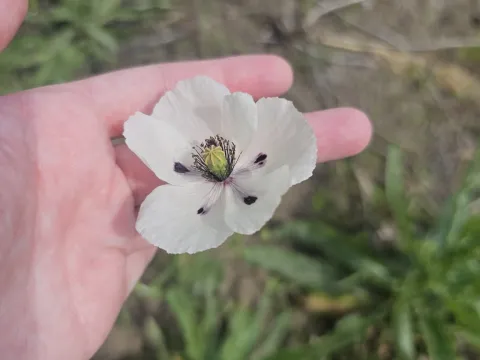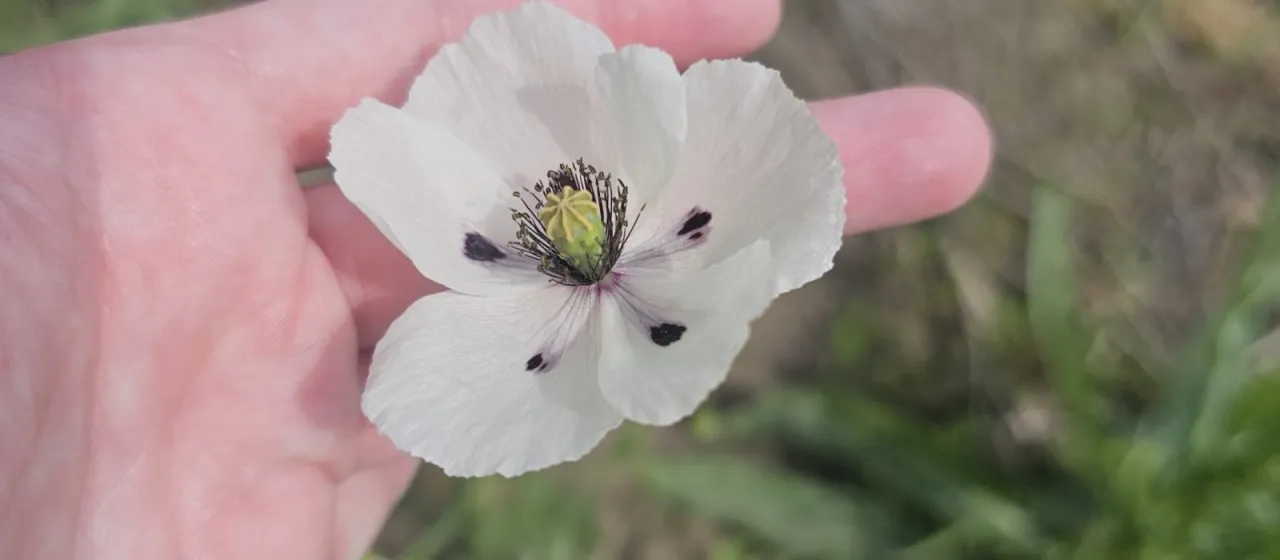
Description
Pale poppy (Papaver albiflorum) is an annual herbaceous plant belonging to the Poppy family (Papaveraceae). Known for its distinctive white or cream-colored petals, this species is a unique botanical variant within the genus. It is cultivated primarily in specialized agricultural sectors and botanical preserves, standing out for its delicate appearance and specific physiological requirements.
The origin of this species is traced to the Mediterranean basin and parts of Western Asia. It thrives in temperate to Mediterranean climates, requiring high levels of solar irradiance for optimal photosynthesis. As a heliophilic plant, it is best suited for cultivation in regions with long, bright days and well-drained, porous soils that mimic its natural stony habitats.
Botanically, the plant develops a straight, hairy stem and intricately dissected leaves. The root system is deep and taproot-driven, allowing the plant to withstand intermittent drought conditions effectively. The reproductive phase results in the formation of capsules containing numerous tiny seeds, which are dispersed primarily by wind once the dry weather sets in.
Regarding soil requirements, the Pale poppy prefers alkaline to neutral, light-textured soils. Heavy clays are detrimental as they restrict root respiration and increase the likelihood of fungal colonization. Field preparation should focus on achieving fine tilth to ensure uniform germination, as the seeds are small and require consistent contact with moist soil particles.
Economic and agricultural usage includes:
- Ornamental horticulture due to its unique petal coloration.
- Genetic conservation and research on wild-type poppy varieties.
- Specialized seed production for research or industry.
Typical pest and disease management involves monitoring for aphids and the poppy weevil, which can severely damage flower buds and seeds. Common diseases include powdery mildew and root rot, typically exacerbated by poor drainage and high humidity. Integrated pest management, including crop rotation and the strategic application of fungicides, is essential to maintain the health and vigor of the crop throughout the season.
Photo gallery